
Precisely on the border of Slovenia and Italy, one doesn't expect a French king. This still unknown region lay strategically so interesting that throughout history many identities, borders, countries, and rulers have held sway. A French king, therefore, buried in a monastery crypt with views over the Italian Veneto delta and the sea, and on the other side, the Slovenian Vipava Valley and the Julian Alps.
Nova Gorica
Just a quick note on the location. Nova Gorica is a city that was literally built from scratch after the Second World War, because the border with Italy closed and Gorizia thus became unreachable. Trg Evrope, the square where you can stand with one foot in Slovenia and one in Italy, is within walking distance of the monastery. You can read more about these two cities in our other publication. blog.
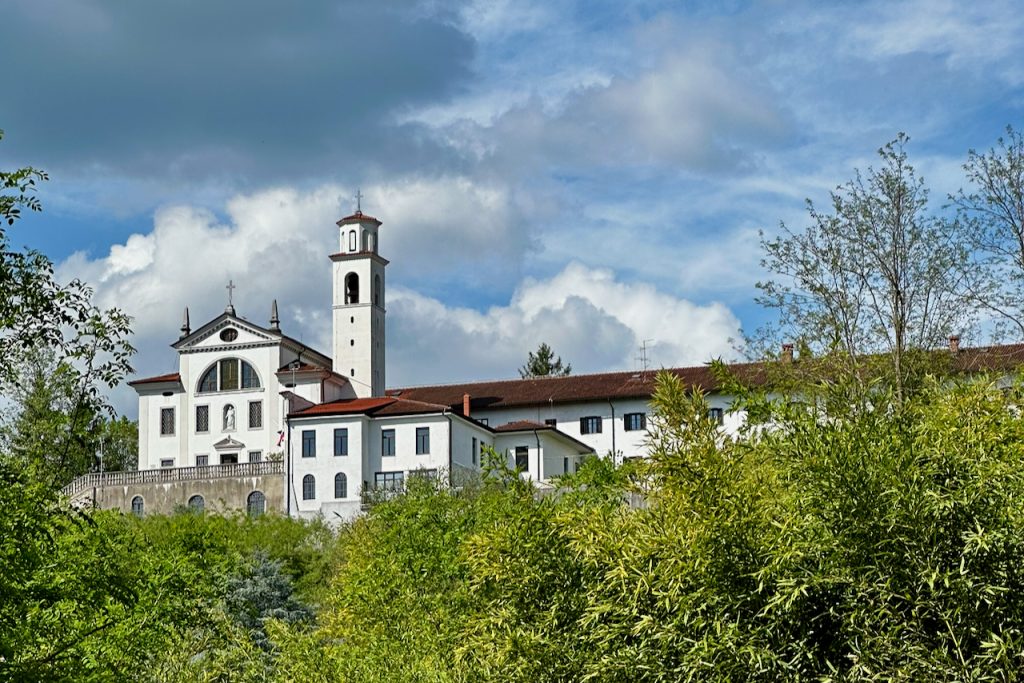
Kostanjevica Monastery
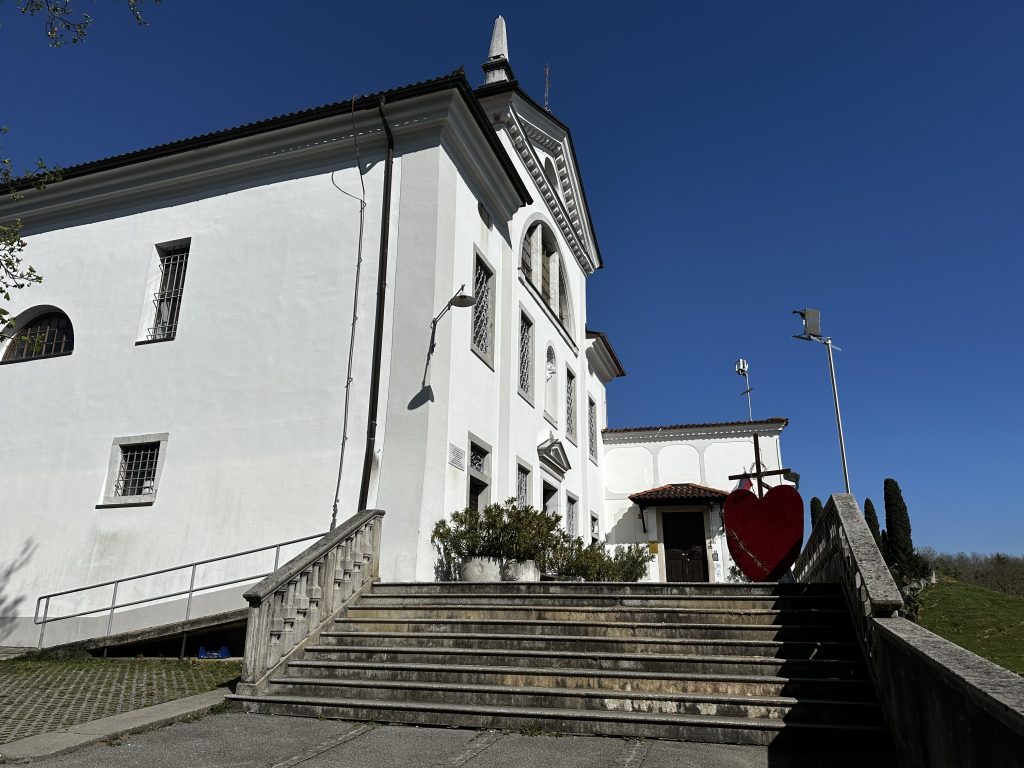
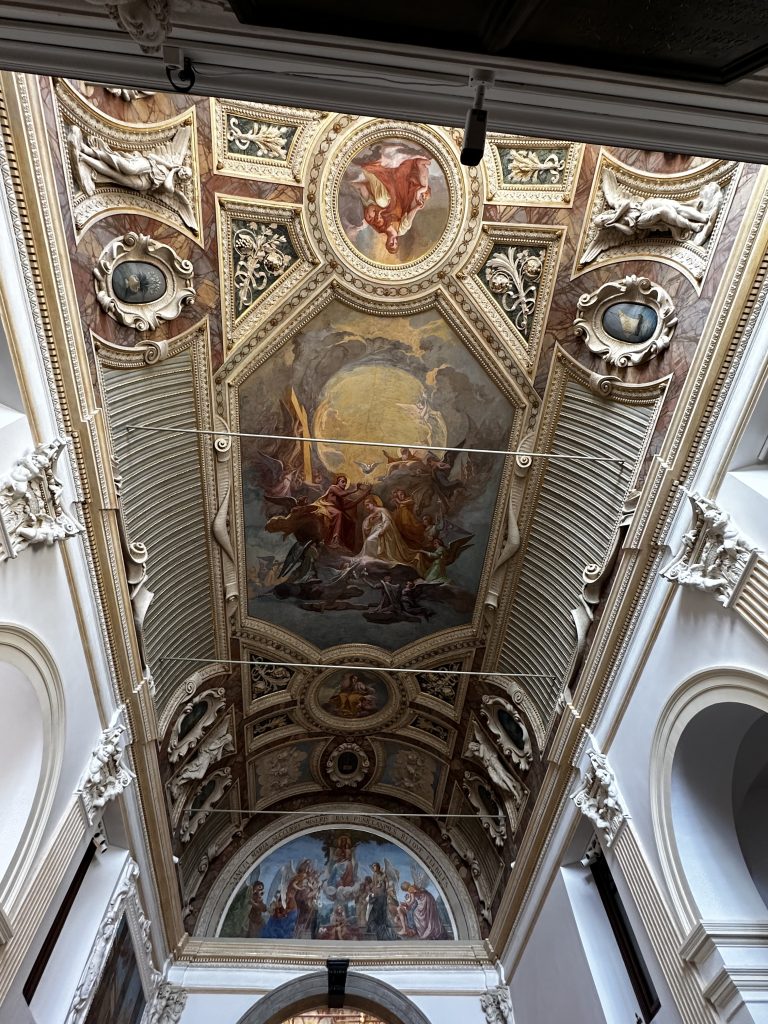
The monastery was founded in 1623 as a Carmelite sanctuary on the Kostanjevica hill (143m), hence the name. Later, in 1811, it was transferred to the Franciscans. The monastery was completely destroyed in World War I, then restored and is still an active monastery today.
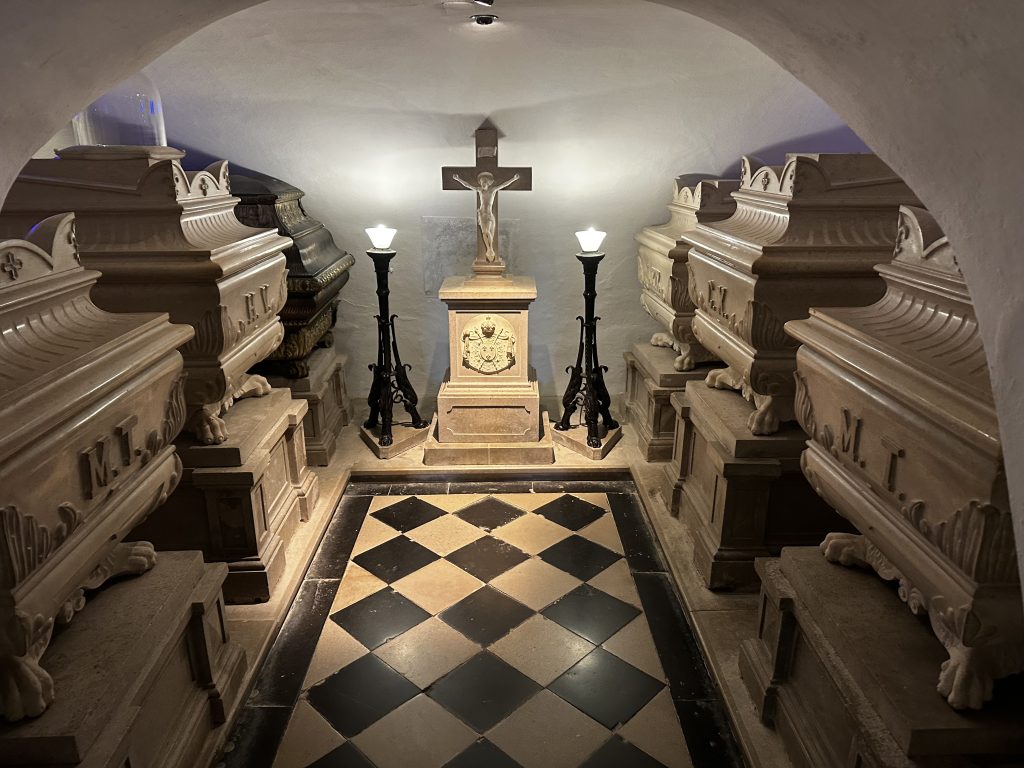
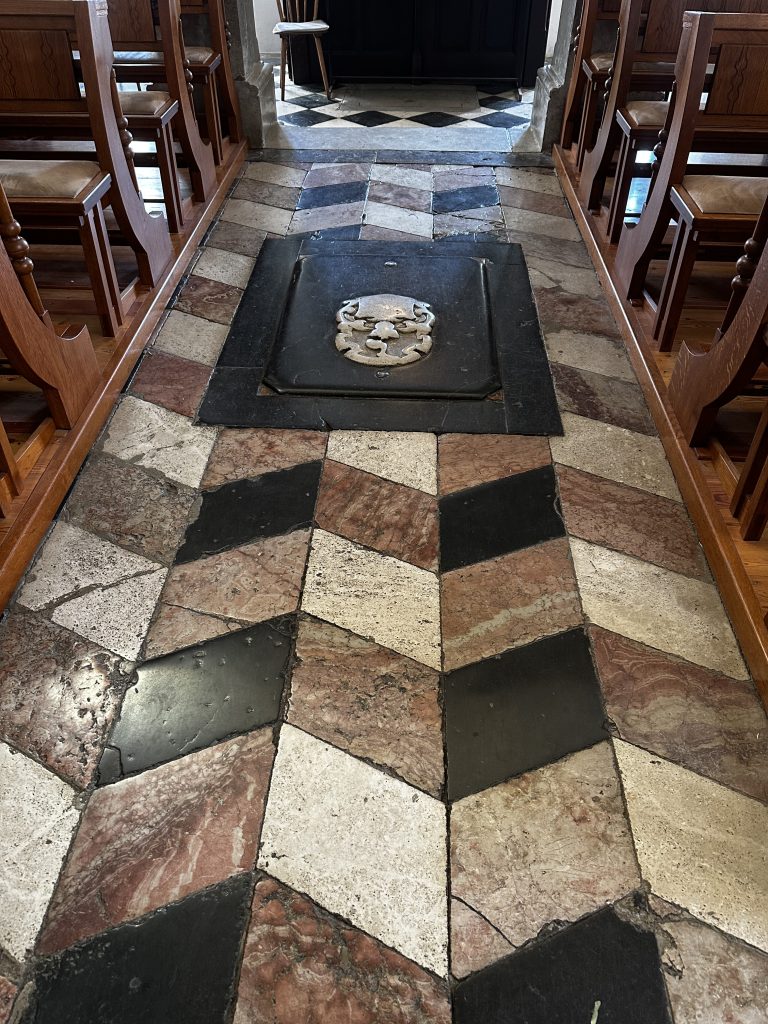
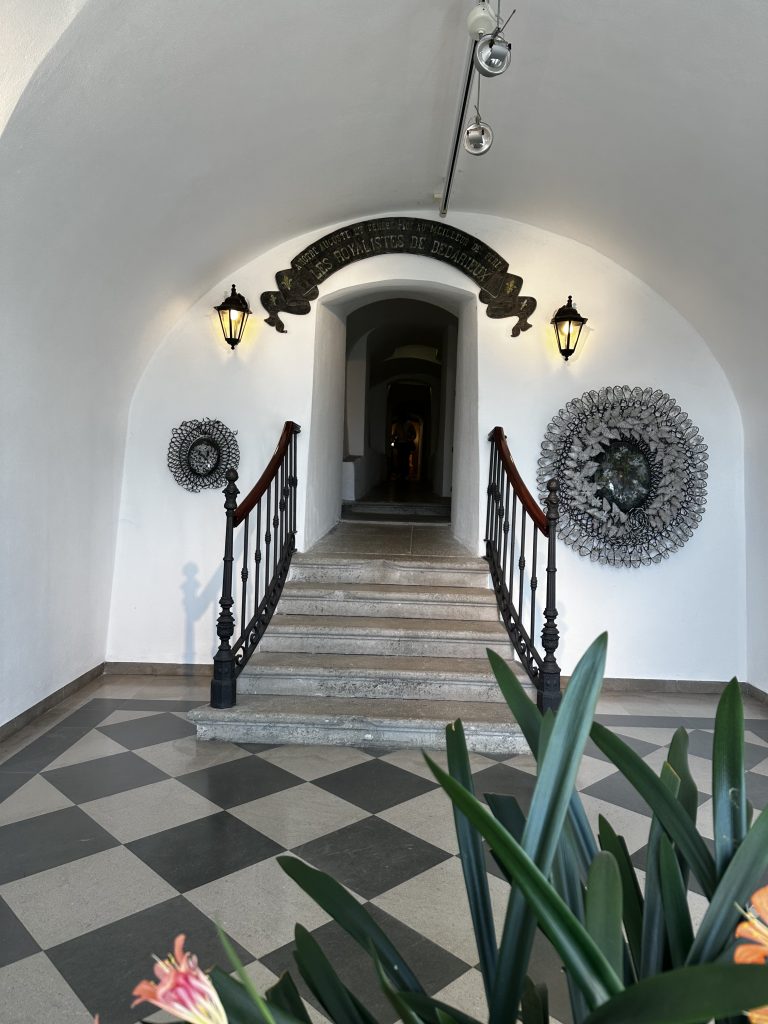
The crypt of the Bourbon family
Charles X, deposed after the July Revolution of 1830, fled to Gorizia and died in this place. Seven members of the House of Bourbon are buried here, hence the link with the French royal family.
The library
The library is named after linguist Stanislav Škrabec and houses around 10,000 books, including a 1584 book containing Adam Bohorič's first Slovene grammar. It was recognised as a monument in 1985 and is now protected cultural heritage. It is a very special library, but it is not always open. If you are keen to visit, please contact the monastery in advance to make an appointment.
Rafut Park
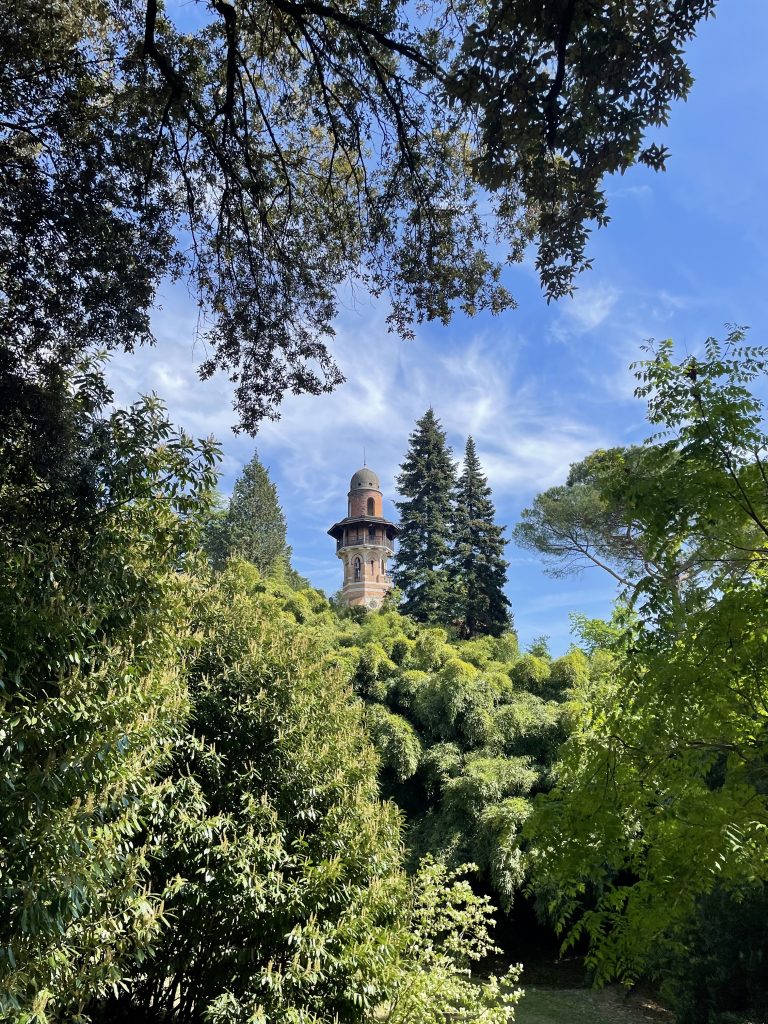
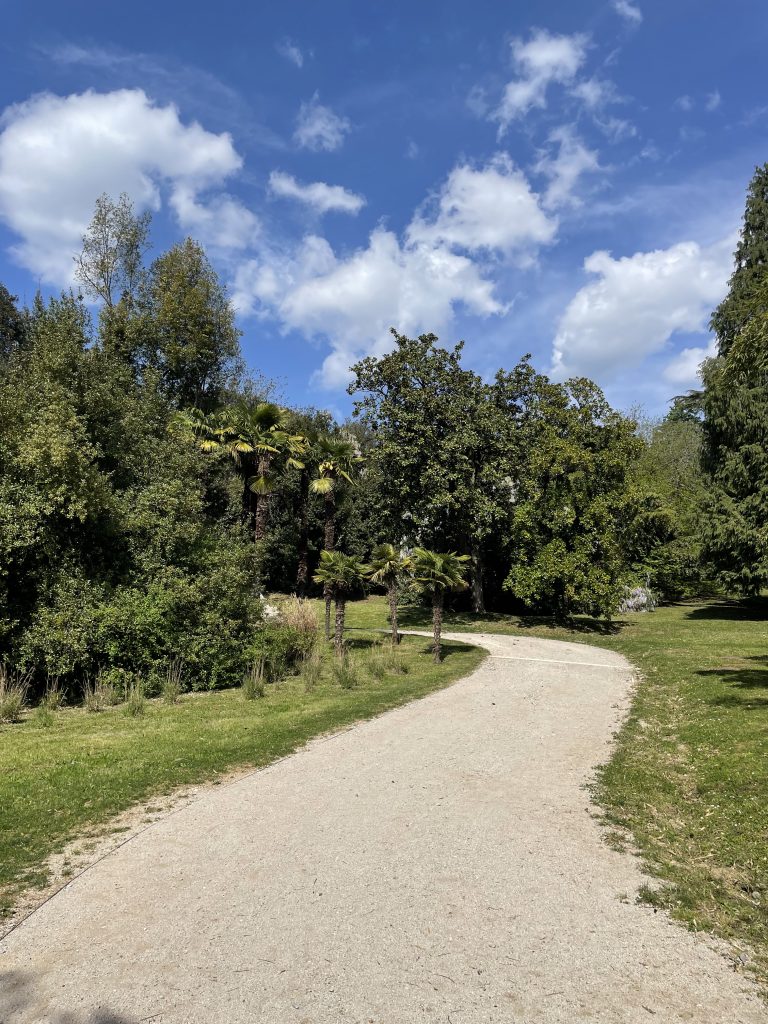
Just below the monastery, at the foot of the hill, lies this 55,000 m² park. The park had long been neglected and closed to the public but has been renovated and reopened to the public for the cultural capital in 2025 (Nova Gorica was the European Capital of Culture in 2025, together with Gorizia).
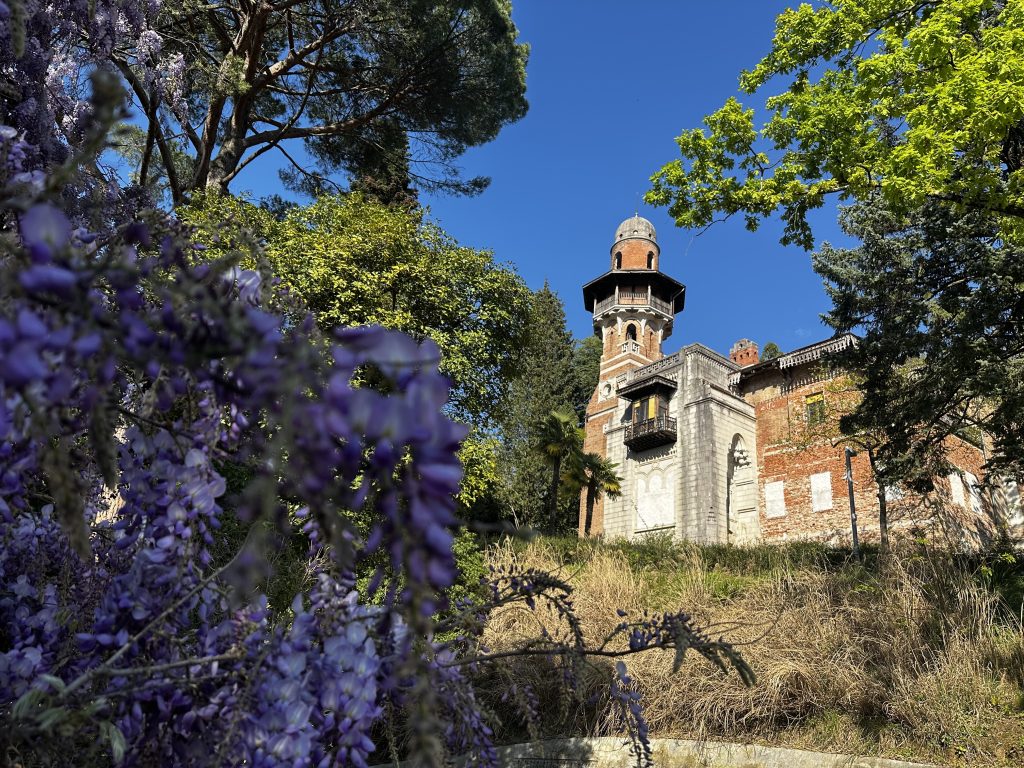
Architect Anton Laščak, a Slovenian who worked in Egypt and built palaces for the Alexandrian elite, laid out the park for himself. This is where the style originates, which you can see in the villa, among other places. This villa is unfortunately currently in severe disrepair, and hopefully, they will renovate it someday, but you can still clearly see the Neo-Islamic style; unique in Slovenia, rare in Europe.
A terrace here in this beautiful spot would be a lovely addition for a coffee or glass of wine, but it's not all developed yet. This means it's wonderfully quiet and thankfully there are plenty of places to sit in the park. So, be sure to bring your own treats to truly take your time and relax in this special park.
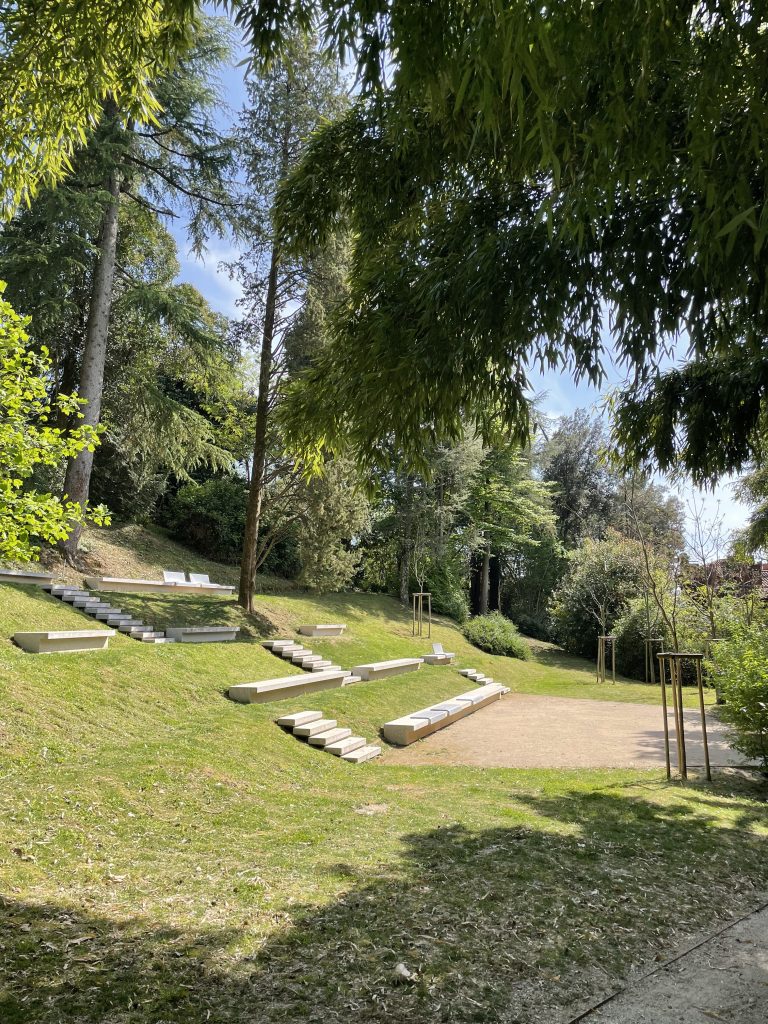
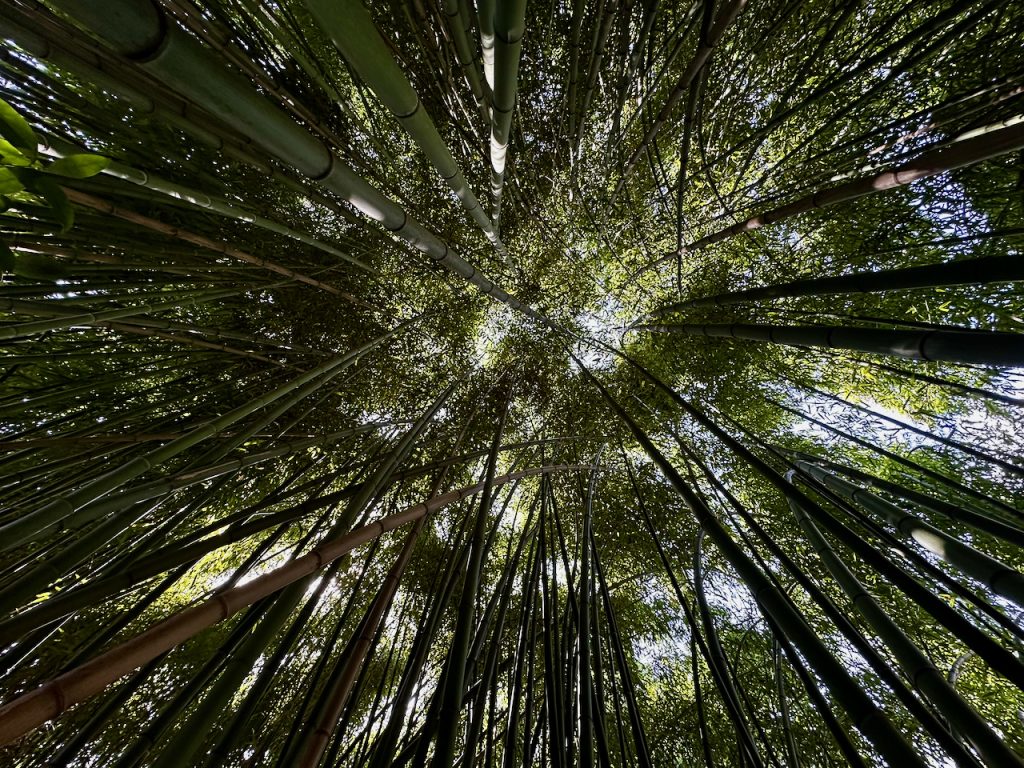
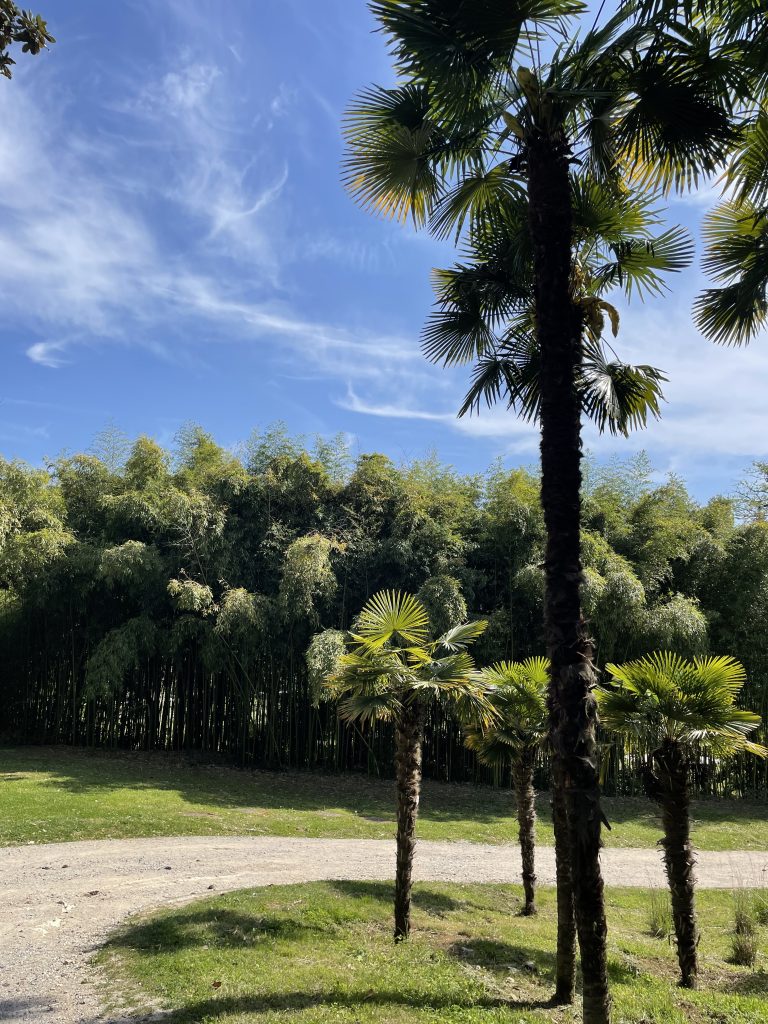
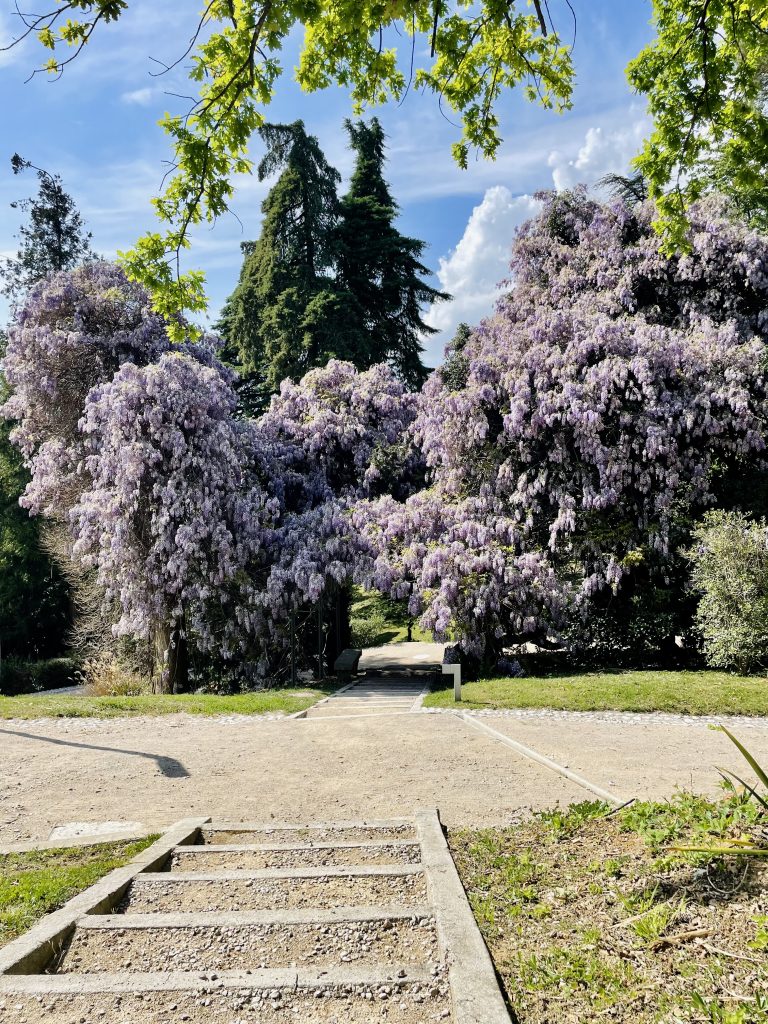
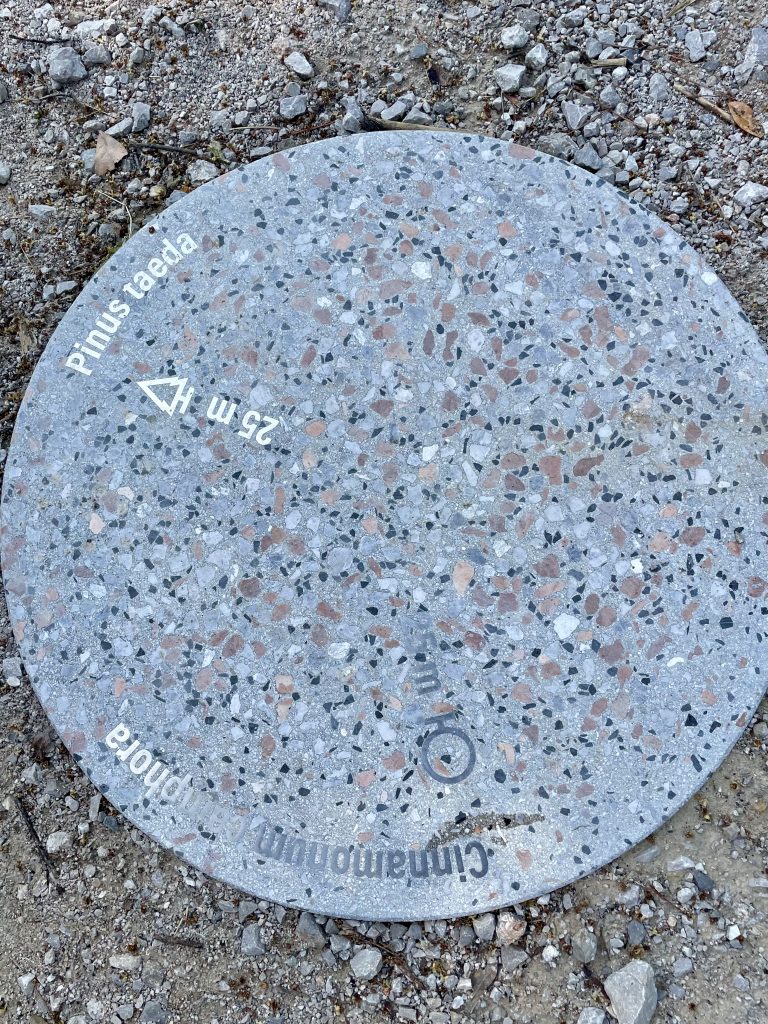
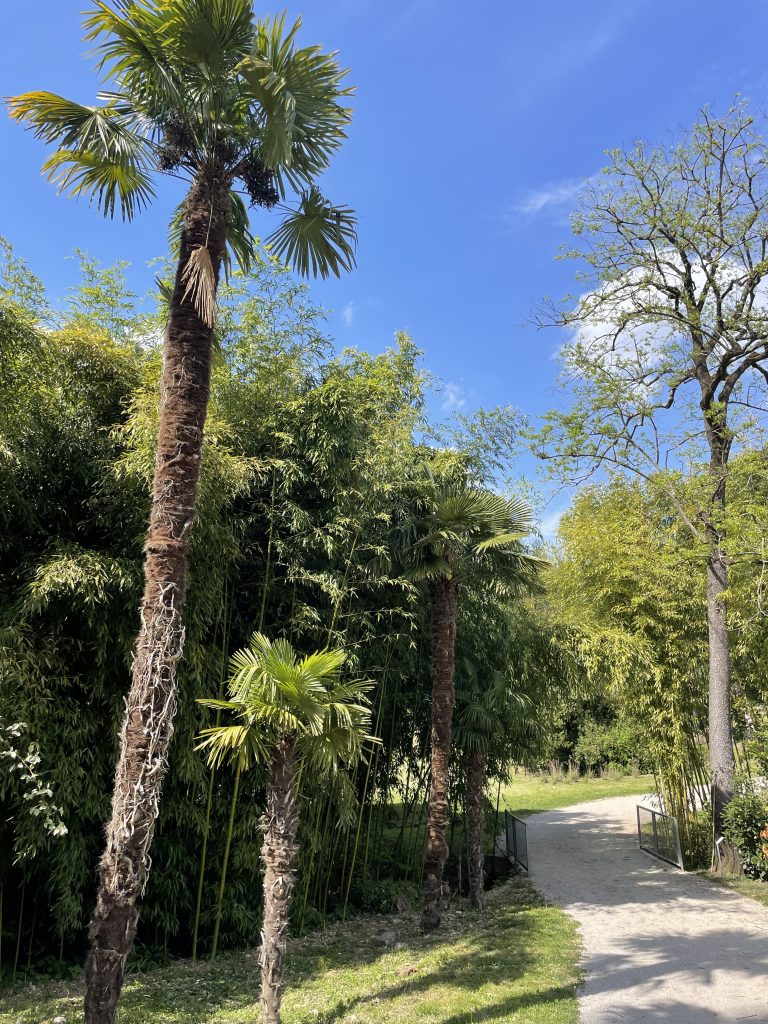
You'll find there's a 140 plant species from all over the world, including the country’s oldest cork oak tree and a giant sequoia. Laščak had exotic plants brought from Egypt that had never been seen in Gorizia before. Throughout the park, you will find explanations about the plants. QR codes will easily guide you to background information.
Nature and music
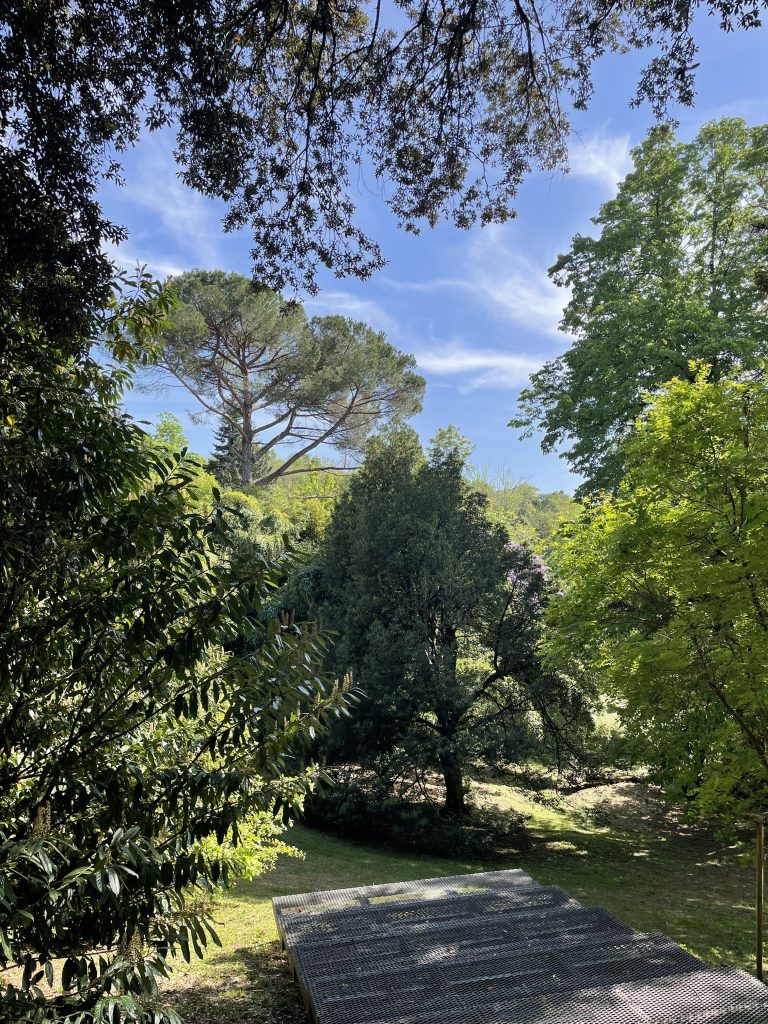
The Dresden Symphony Orchestra has created a music tour to mark the occasion of the European Capital of Culture (2025). Download the app via this link Scan the QR codes along the paths. Find a nice spot and let nature work its magic on you accompanied by classical music. A place to completely relax and enjoy the beautiful nature.
The perfect combination during a visit to Nova Gorica and Gorizia
Traces of old Yugoslavia, Italian influences, and then suddenly a Franciscan monastery and a park with Neo-Islamic influences and exotic plants. Where in Europe can you find this melting pot of cultures, and in which history book is this written? At first glance, Nova Gorica may not seem like the most attractive city to visit, but if you know where to find the hidden gems and open yourself up to who and what has influenced this place, it will stay with you forever.
Good to know
- Fun fact: The name “Rafut” likely comes from the German “Raffholz” (fallen branches). Residents of Gorizia used to collect firewood from there.
- Would you like to visit the monastery's crypt or library? Please call ahead to arrange an appointment or ring the bell on arrival. There are set visiting hours, but someone will also open up for you outside those times. Explicitly ask for both the library and the crypt, as they are shown separately. More information about the monastery can be found here.
- There is no parking directly at the park. Park at the monastery or in Nova Gorica and walk there. From Trg Europa square or Café Max Can you walk to the monastery in 15 minutes (it's uphill)? You can also get there very easily by bike; it takes about half an hour from our place on electric mountain bikes.
- Opening hours at Rafut Park vary by season, so check the website of the park for the current opening times.