
The Vipava Valley is the perfect base to explore northern Italy. We take you through its hotspots.
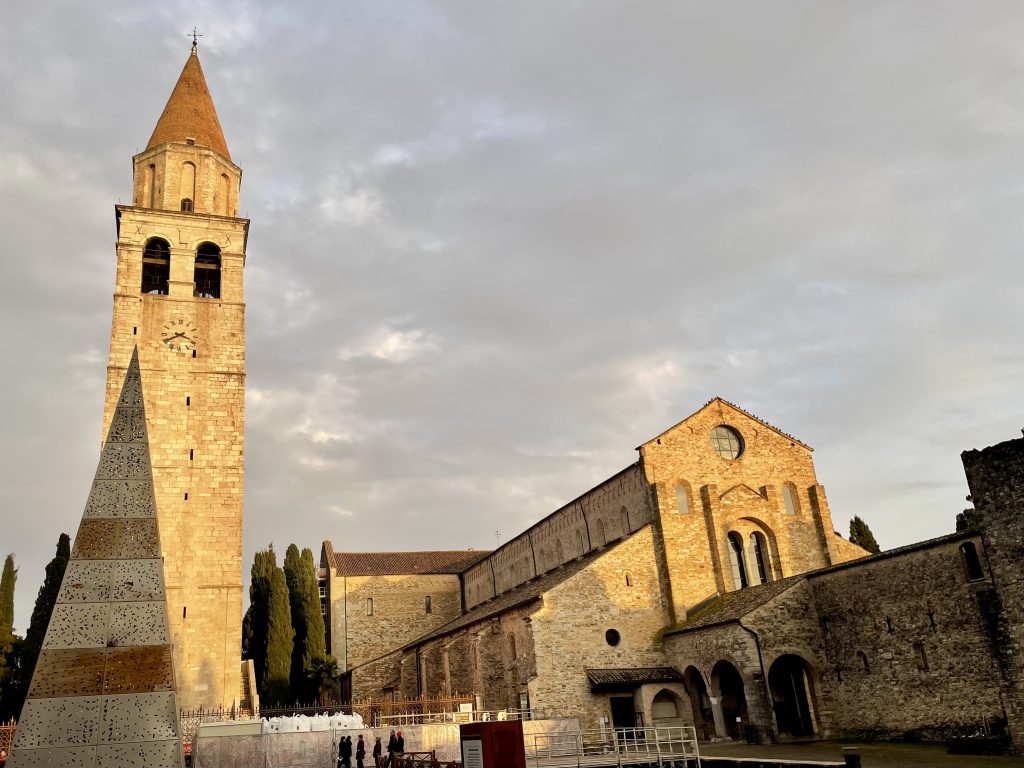
You drive through the flat Friuli countryside, past vineyards and small villages, and suddenly a tall bell tower pops up: Aquileia. At first glance it is a quiet Italian town where not much happens, but under your feet lies one of the greatest archaeological reserves of the entire Roman Empire. Most of the ancient city has not even been excavated yet; there is probably even more history hidden under the many fields.
Basilica with a floor to make you speechless
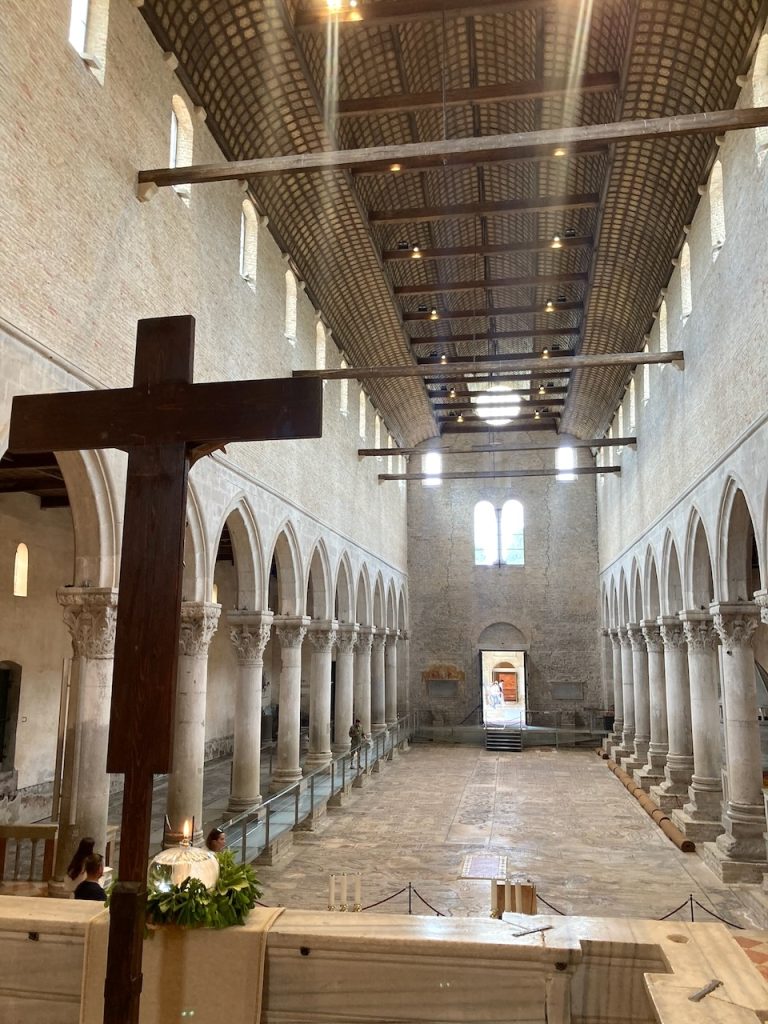
The heart of Aquileia is the patriarchal basilica of Santa Maria Assunta. From the outside, you see an austere Romanesque church with a tall, freestanding bell tower and an ancient baptistry next to it. Beautiful, but not yet earth-shattering. Until you step inside.
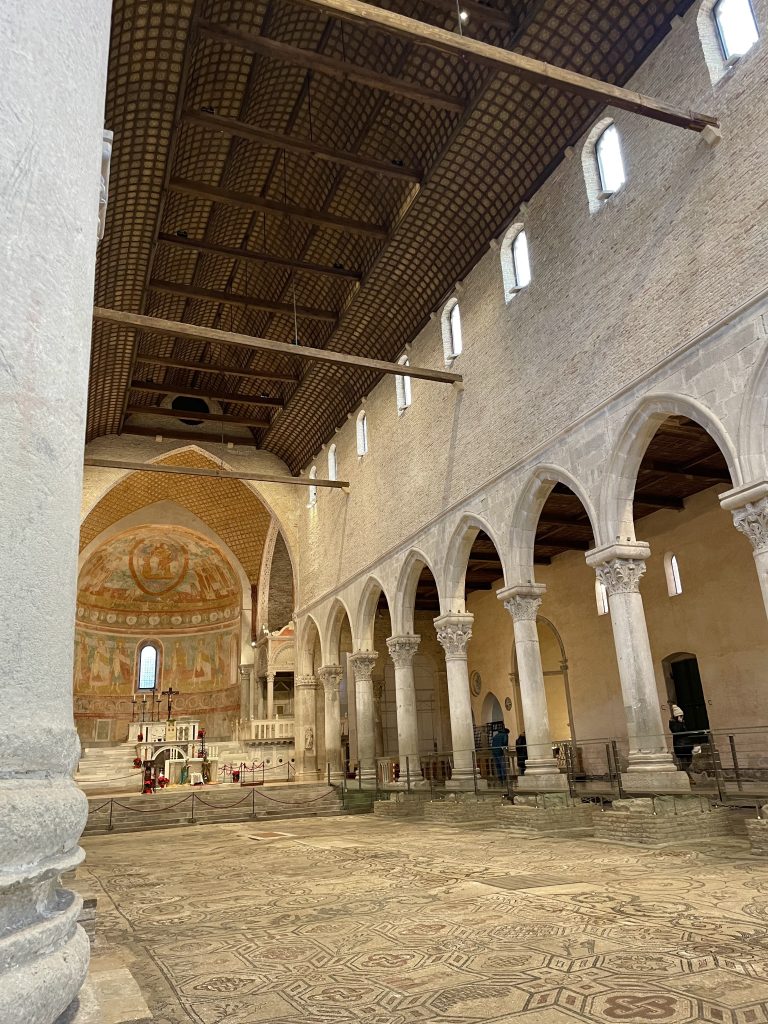
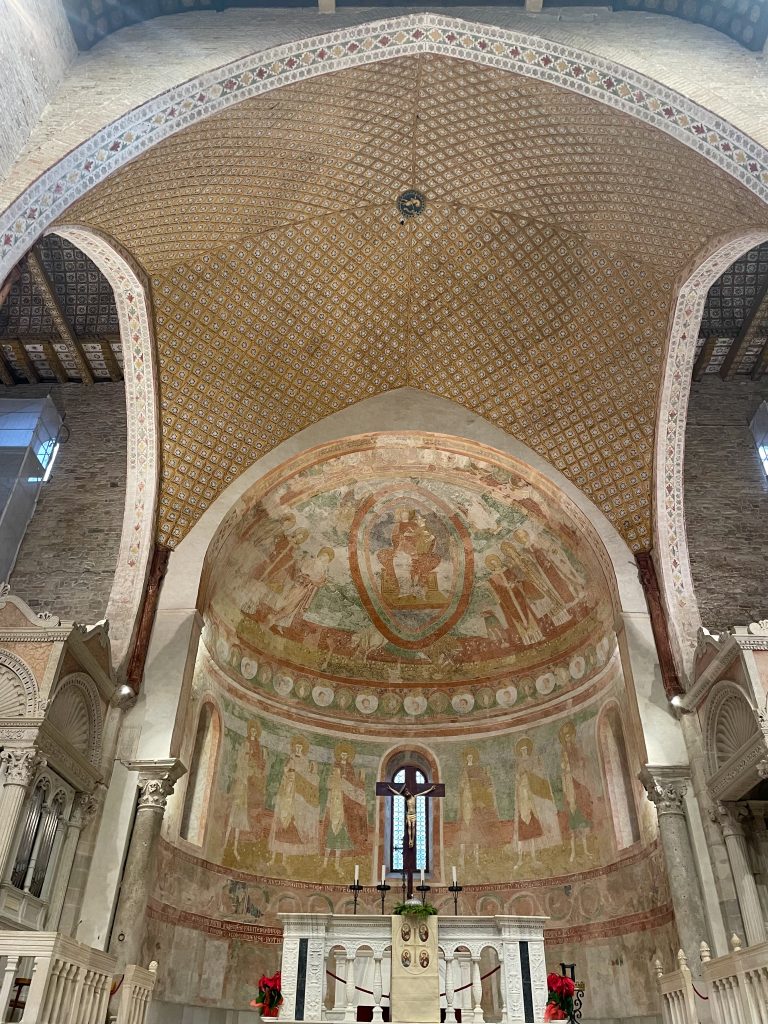
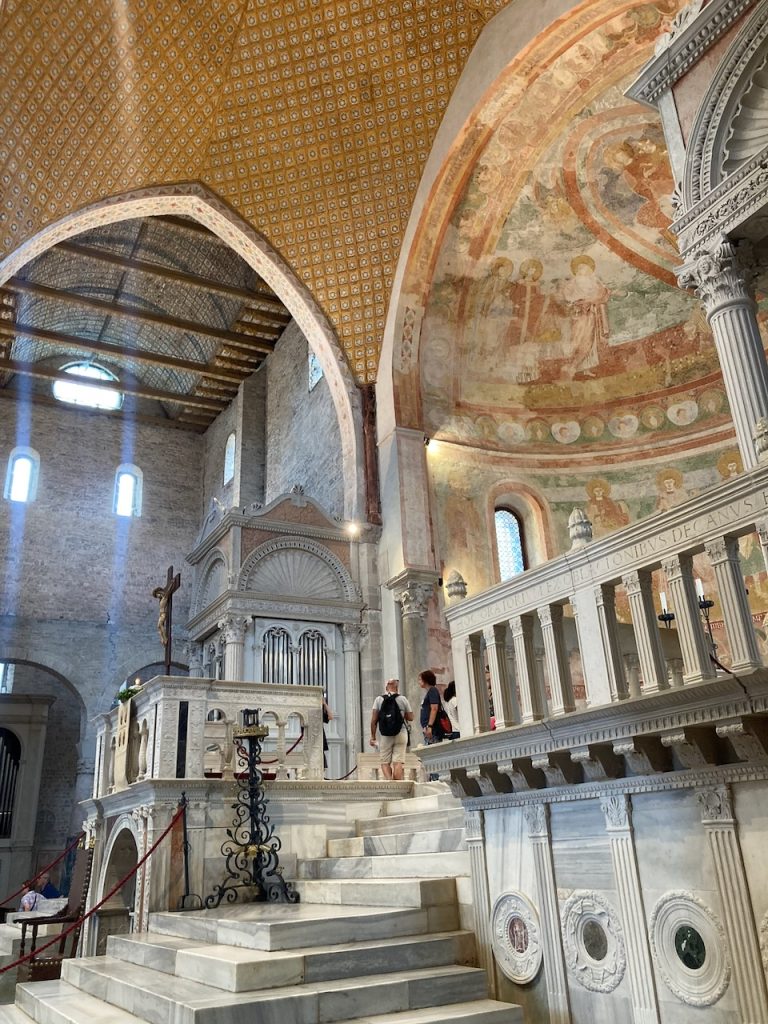
Under your feet lies a mosaic floor of over 750 m², dating from the 4th century, making it one of the largest and best-preserved early Christian mosaics in the West. All laid by hand, at a time when Christianity was just emerging.
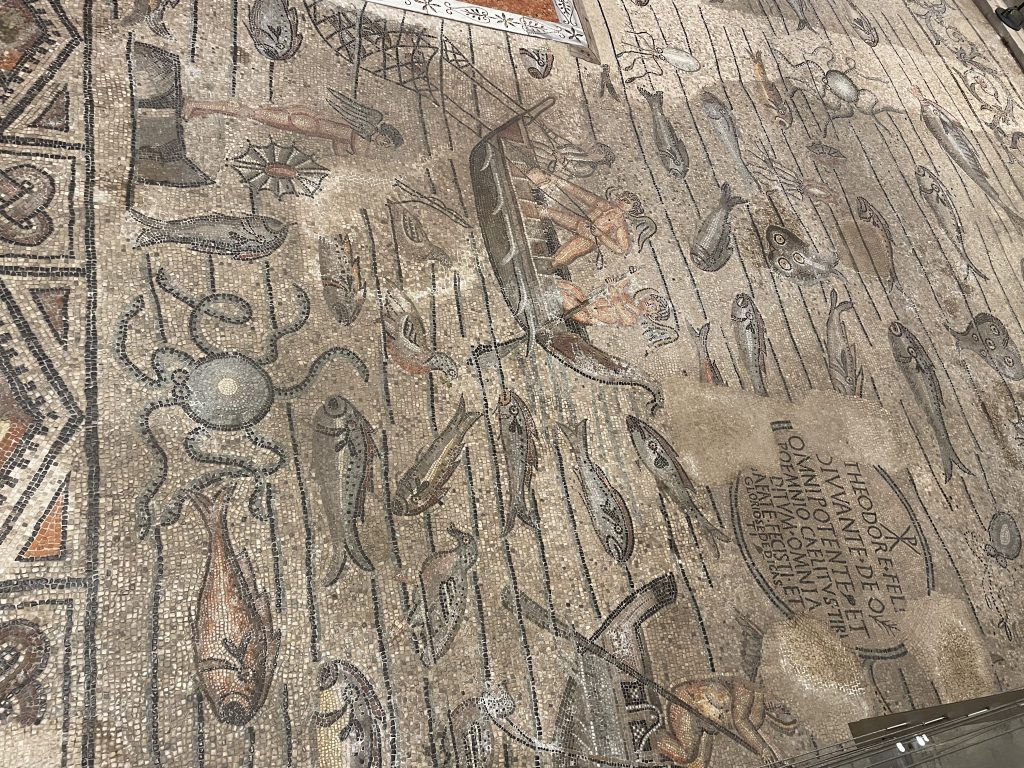
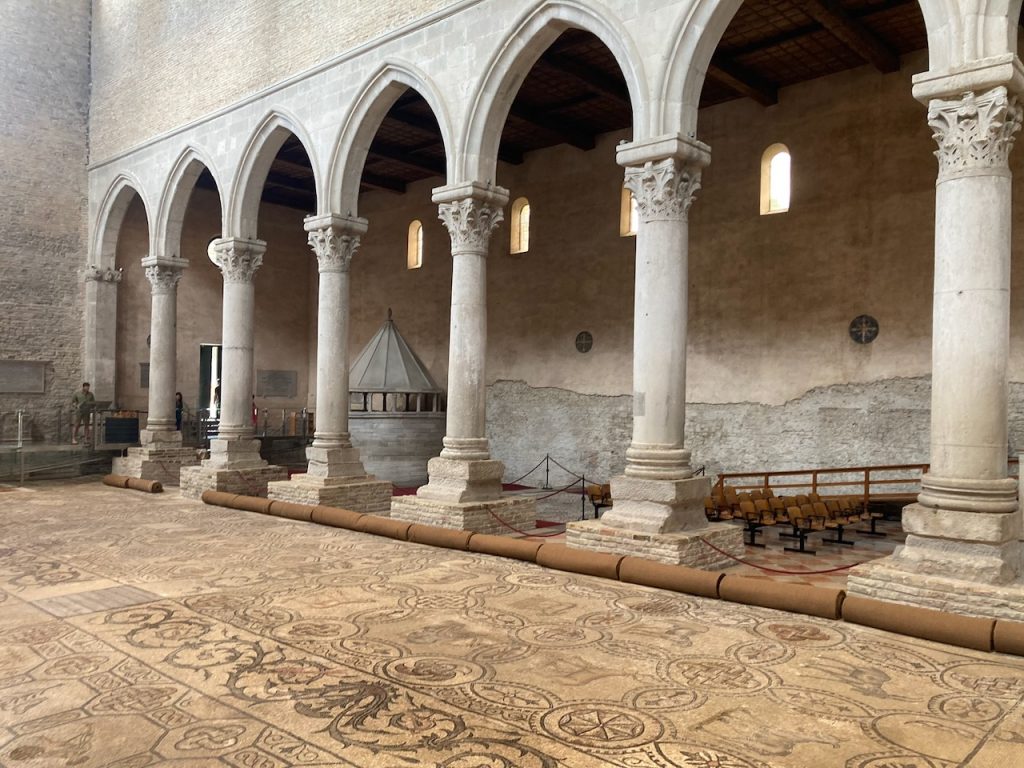
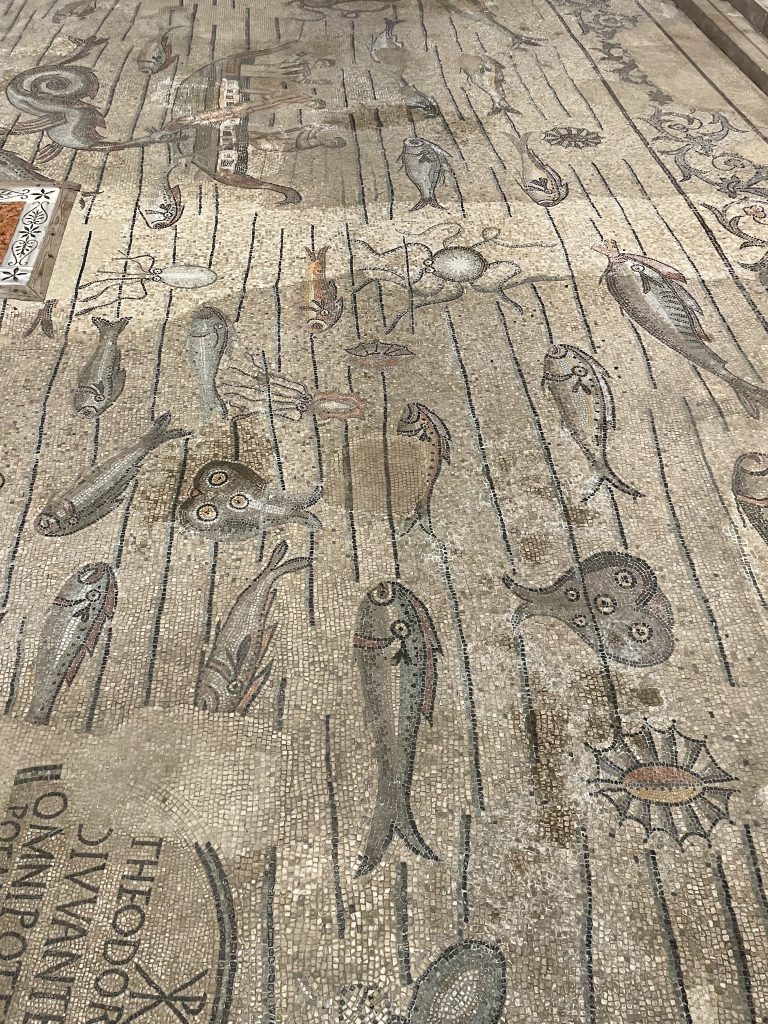
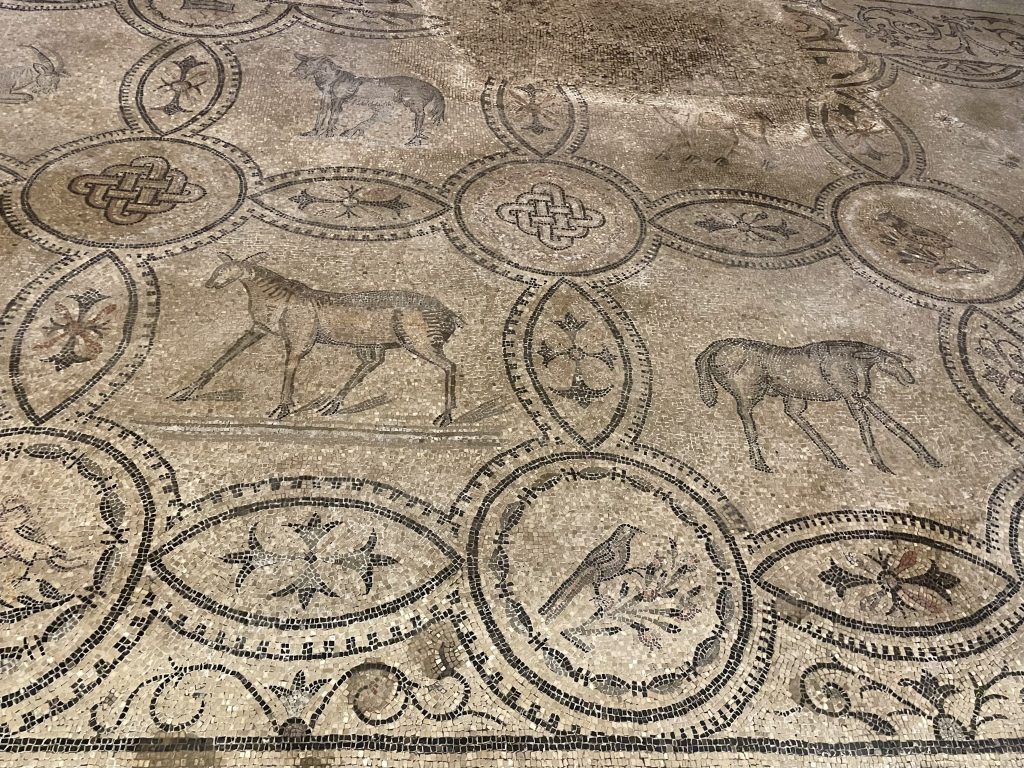
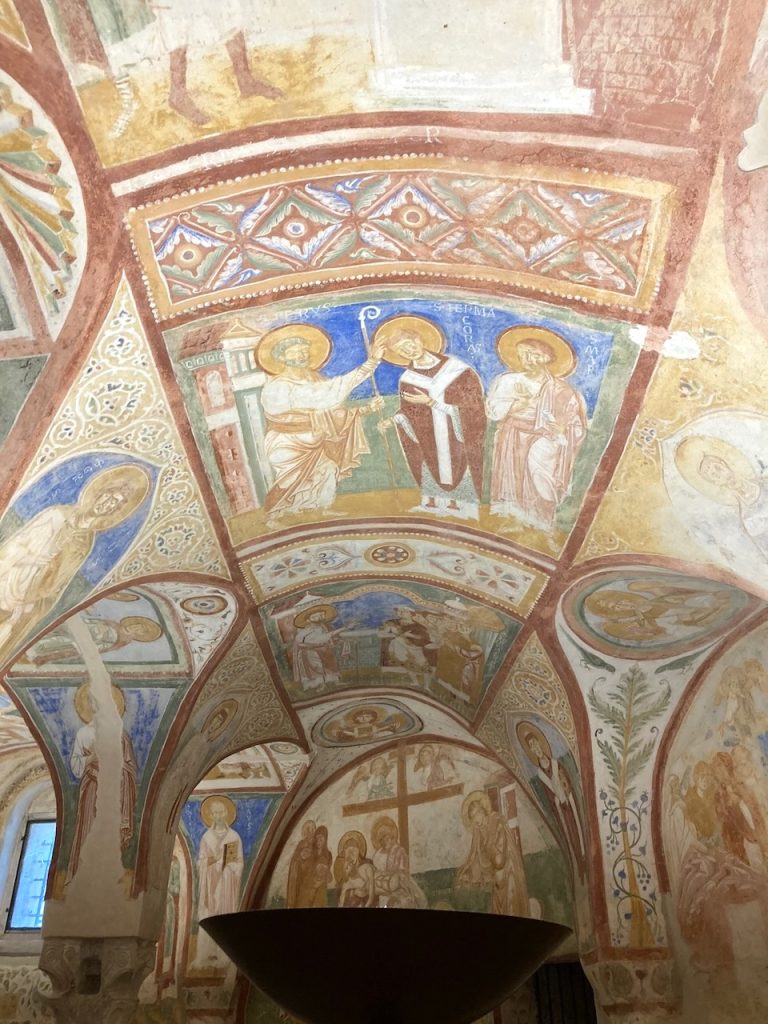
Below the choir you will find the “crypta degli affreschi”, with colourful frescoes on the origins of Christianity in Aquileia and the first bishop Hermagoras. Despite their age, it is surprisingly vivid and playfully rendered.
Walking through Roman Aquileia
As soon as you exit the basilica, you notice that Aquileia is not just one sight, but a whole landscape full of remains. You walk stretches along the old Roman road and Via Sacra towards the river where you find remains of the forum, dwellings and warehouses. As you encounter the mosaics here and there in the open air, you almost get the feeling of walking around in that era.
Because Aquileia today never grew into a modern city, many of its ruins are well preserved and it is considered one of the best-preserved archaeological reserves in the Roman world.
Museo Archeologico: the treasure chamber
If you want to see more than “loose stones”, be sure to enter the Museo Archeologico Nazionale di Aquileia.
It helps you see Aquileia in its former glory before you. A rich port city, a crossroads of trade and ideas. Later an important centre for the spread of Christianity towards Central Europe.
Slow enjoyment and standing still
What makes Aquileia so enjoyable to visit is the combination of great history and at the same time small-scale set-up. No mega crowds or long queues, at most some small groups of visitors or cyclists riding past the excavations.
Before or after your visit, relax in the village café and enjoy an espresso or aperitivo among the locals, or drive on to Grado beach for a seaside lunch.
It is a place where you can take your time. Sit for a while, look at the mosaics and imagine how long ago so many feet walked on that same floor.
Good to know
- Since 1998, the “Archaeological Area and the Patriarchal Basilica of Aquileia” has been a World Heritage Site and thus has UNESCO status. Precisely because of the exceptional quality of the ruins and mosaics.
- Allow at least half a day if you want to visit the basilica and the museum and a full day if you also want to take a leisurely stroll along all the excavations.
- Aquileia can be visited all year round, but fine if it is dry as there is also a lot to see outside.
- Here you won't find mass tourism and you can really take the time to reflect on all you see.
- From the Vipava Valley, Aquileia is easy to reach by car (45 km from us), but slightly less practical to visit by public transport. If you are sporty, you can also make it a bike ride!