
If you are in the Vipava Valley, a visit to the two towns of Nova Gorica and Gorizia is an interesting addition to your trip. The towns are separated by a (now invisible) land border and the history is visible.
Two cities, one square
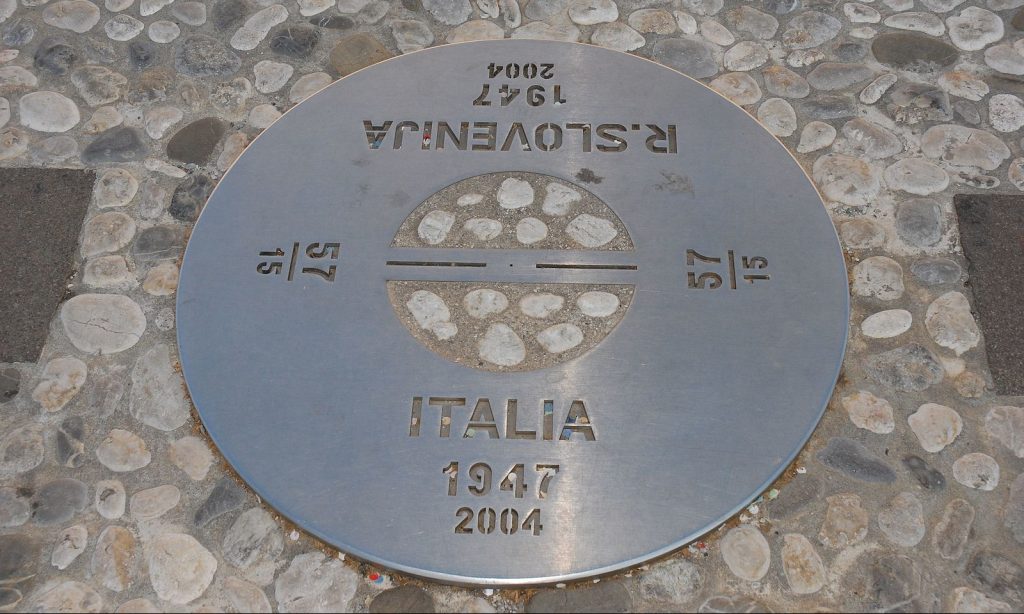
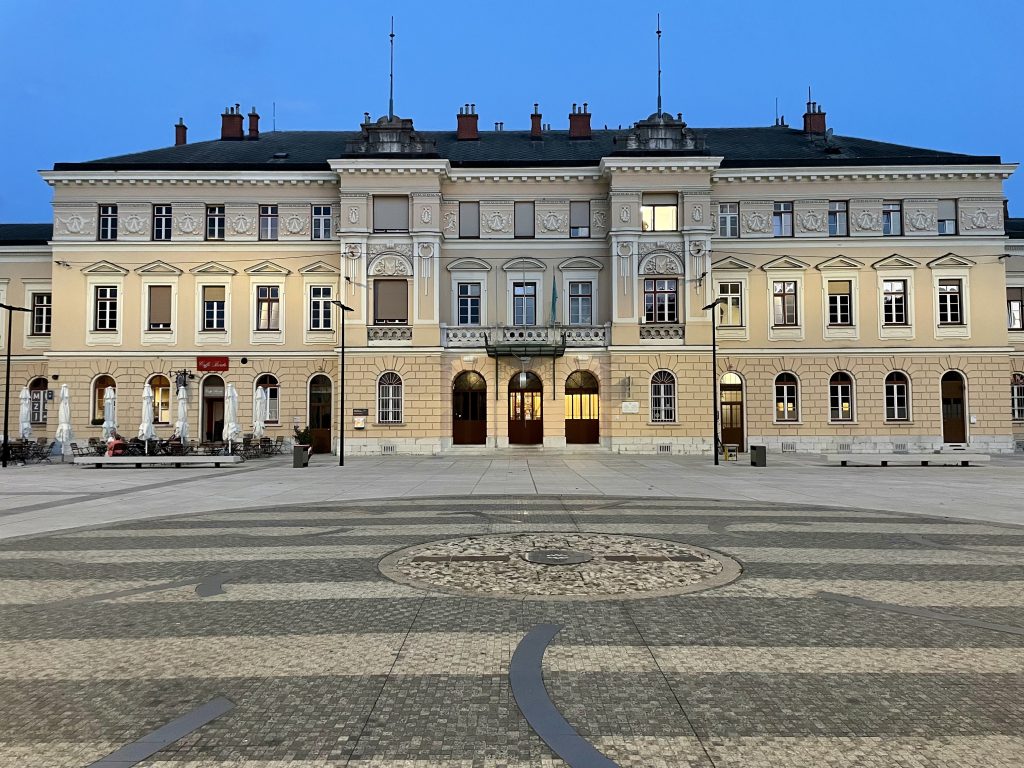
In Transalpina Square - or Europa Square, as it is also called - there is a mosaic pattern in the pavement. That pattern is the border. You walk across it without noticing it, and suddenly you are in Italy. No customs, no fence. Until 1991, this was unthinkable and this border between Yugoslavia and Italy was heavily guarded, cordoned off with fences and rolls of barbed wire. Families on either side, neighbours who became strangers. You can still feel this history, the contrast between the two cities is stark.
Nova Gorica
Nova Gorica is a young town. Literally built after World War II, when Gorizia and its amenities as an Italian city were no longer accessible to the Yugoslavs on the other side of the border. Under the leadership of President Tito, construction started on the city, which was to become a spacious and green model socialist city. This is reflected in the architecture: wide-ranging, socialist and modernist, without a historic city centre that most Slovenian cities have.
It is a bit like a city that is still inventing itself. Not spectacular, a little raw here and there, but pleasant to walk through. Quiet, green, with a good glass of wine within reach - the Vipava Valley actually begins here. Don't expect a tourist attraction, but the town is on the rise and slowly more and more nice places are opening up.
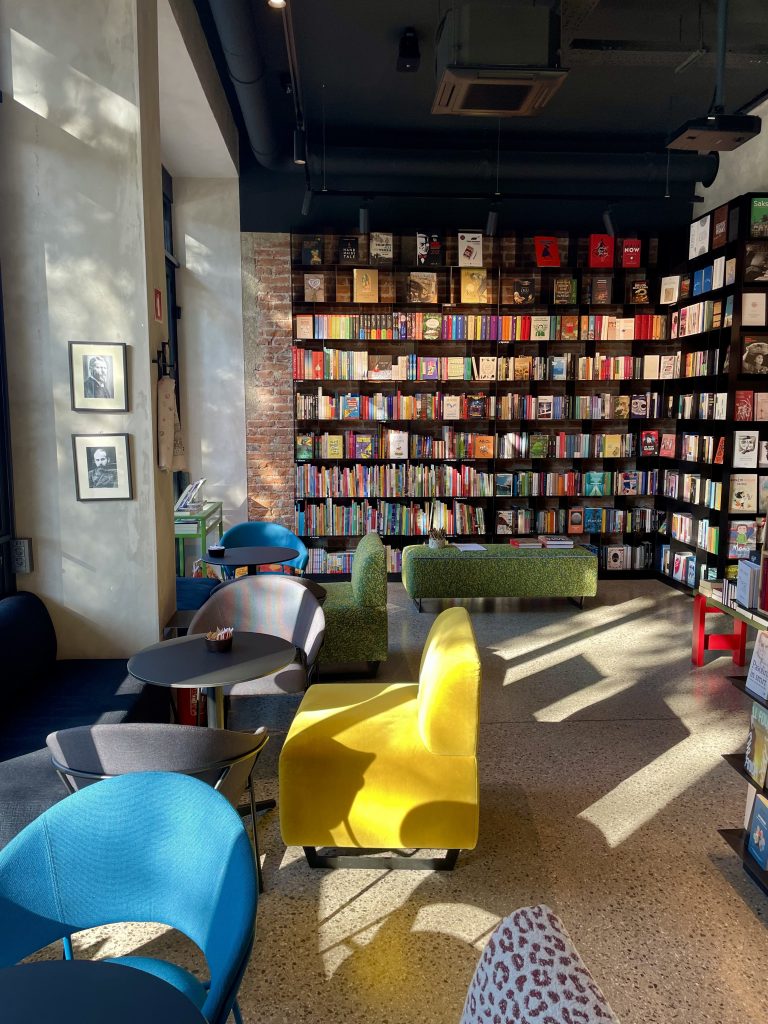
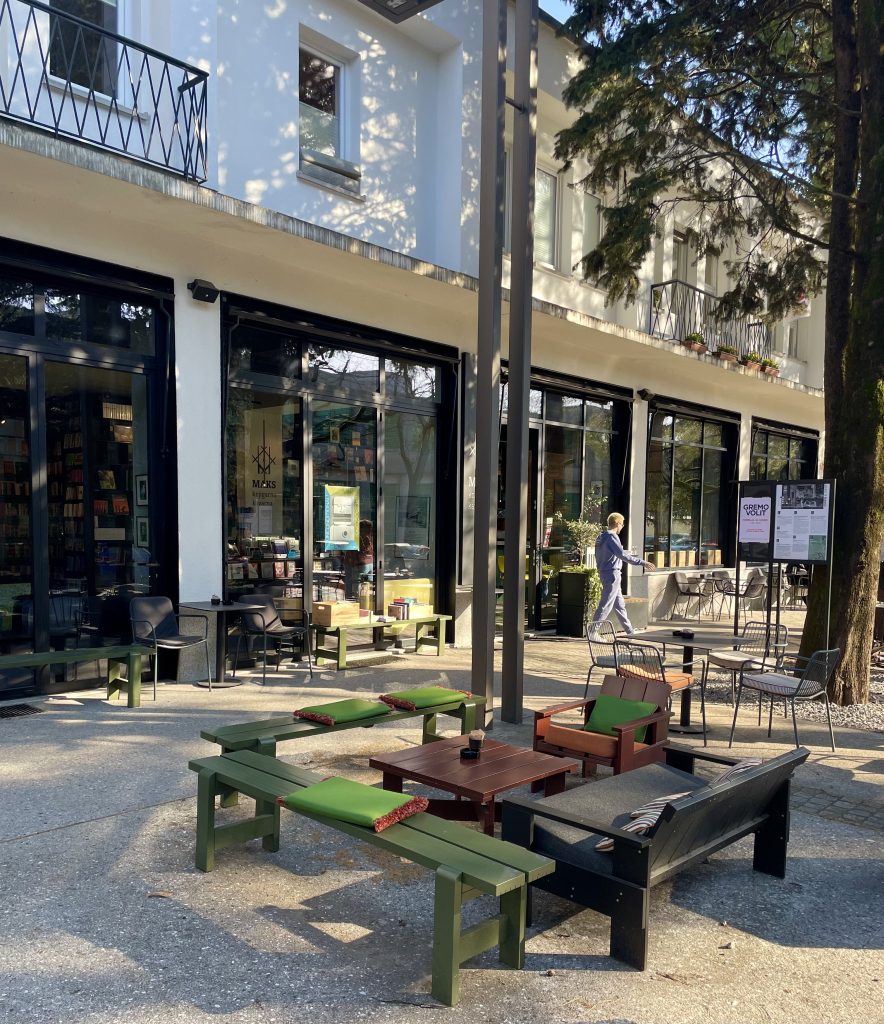
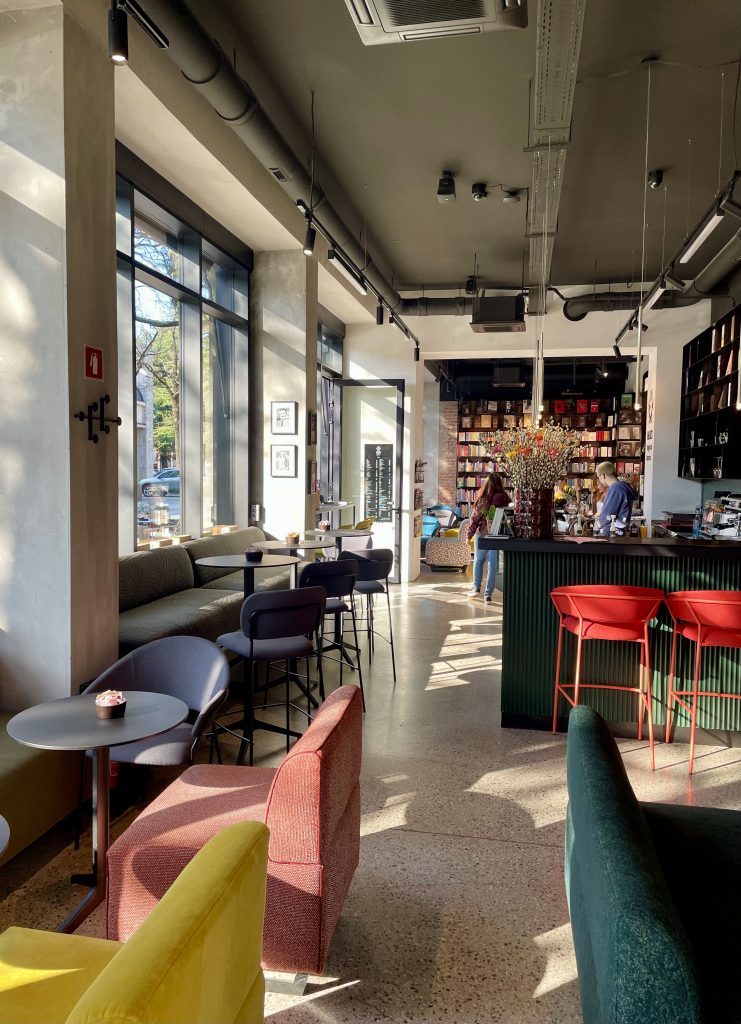
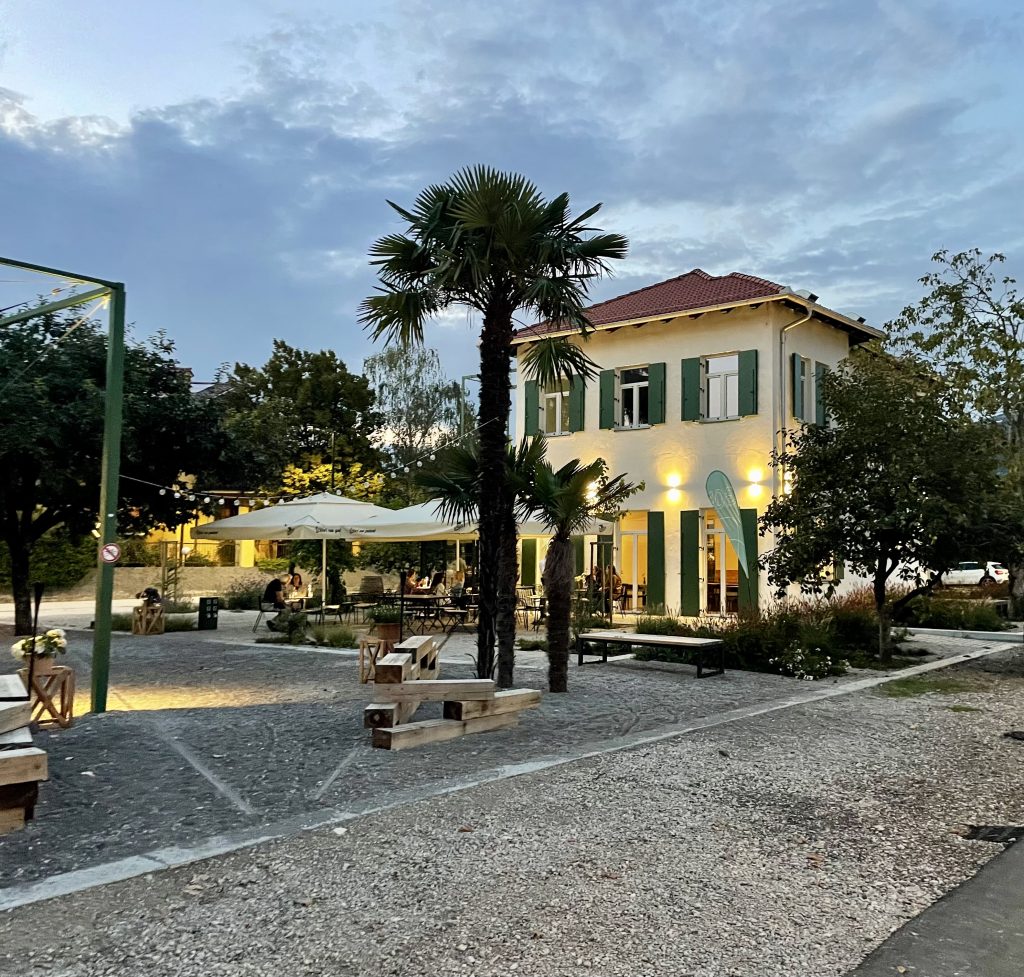
In particular, visit Maks, a bookshop, coffee shop and wine bar in one with a nice terrace. Or settle down at Super Osmica at Europe Square, right next to the border with Gorizia and watch daily life in Nova Gorica pass you by.
A few minutes outside the city, in museum Grad Kromberk, there is a very interesting photo exhibition about Nova Gorica in the 1950s and 1960s. Find more information about the exhibition here. Nice to combine with a walk in the castle gardens, or lunch or dinner in the restaurant. About our dinner there we also have a blog written.
Gorizia
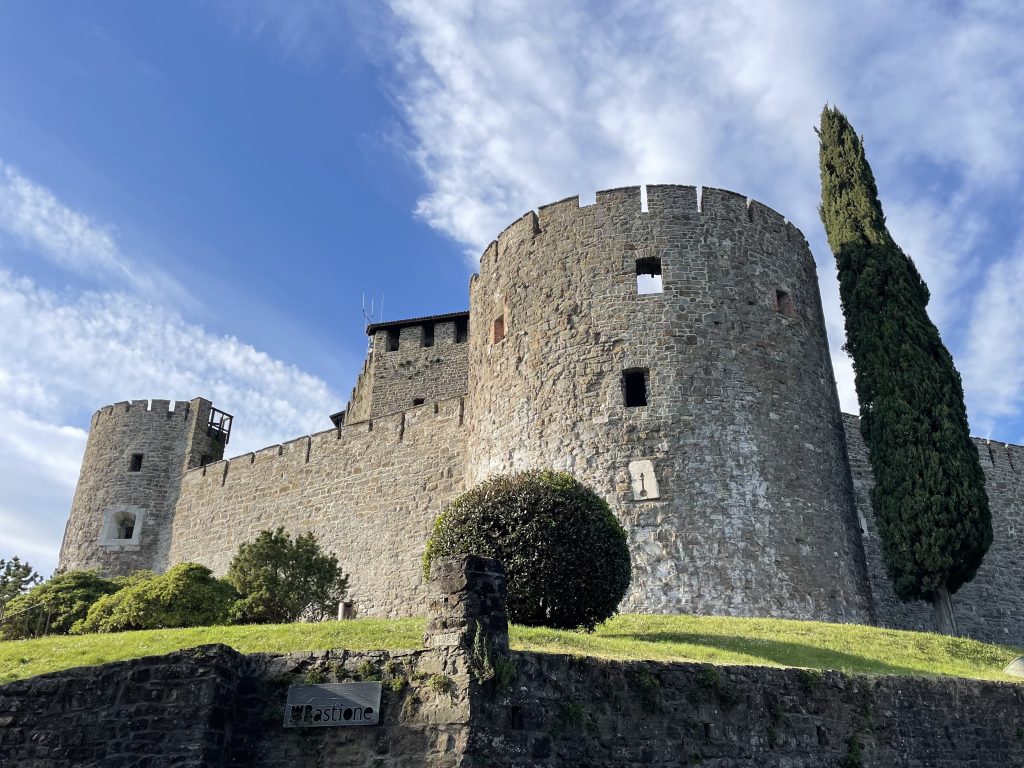
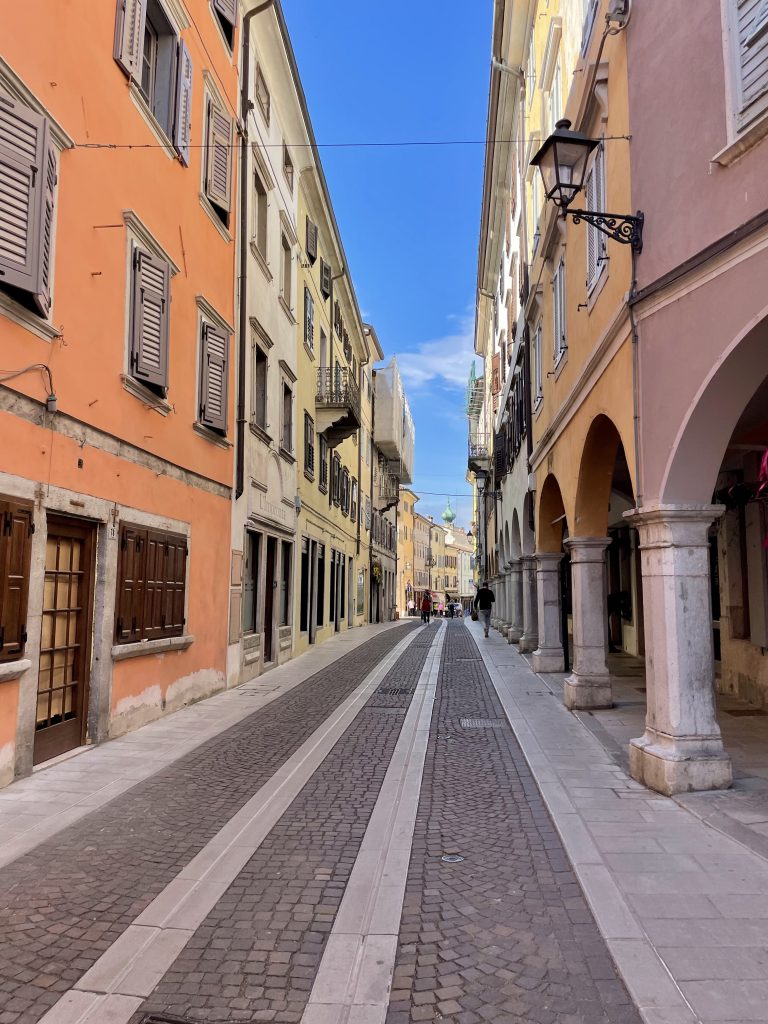
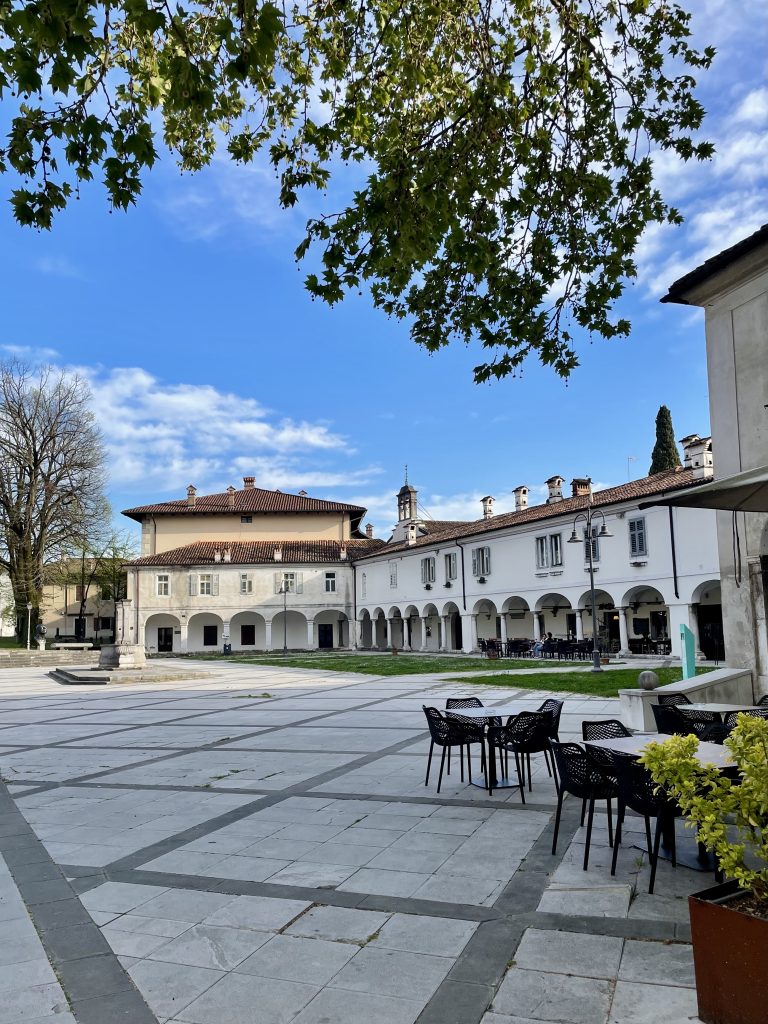
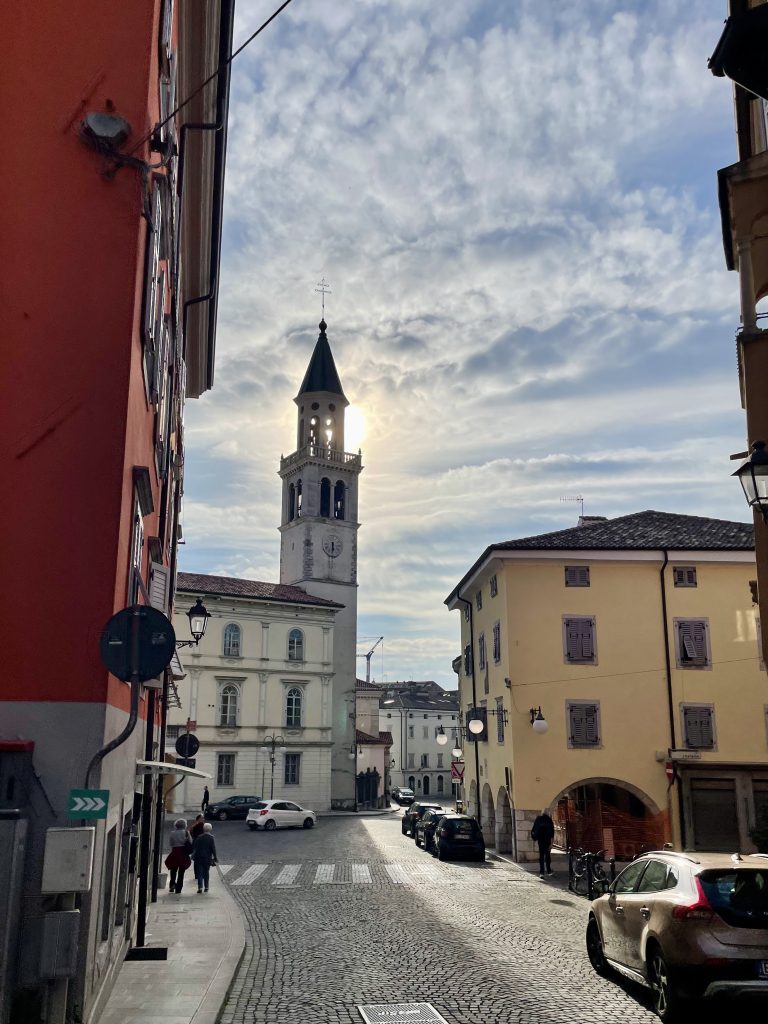
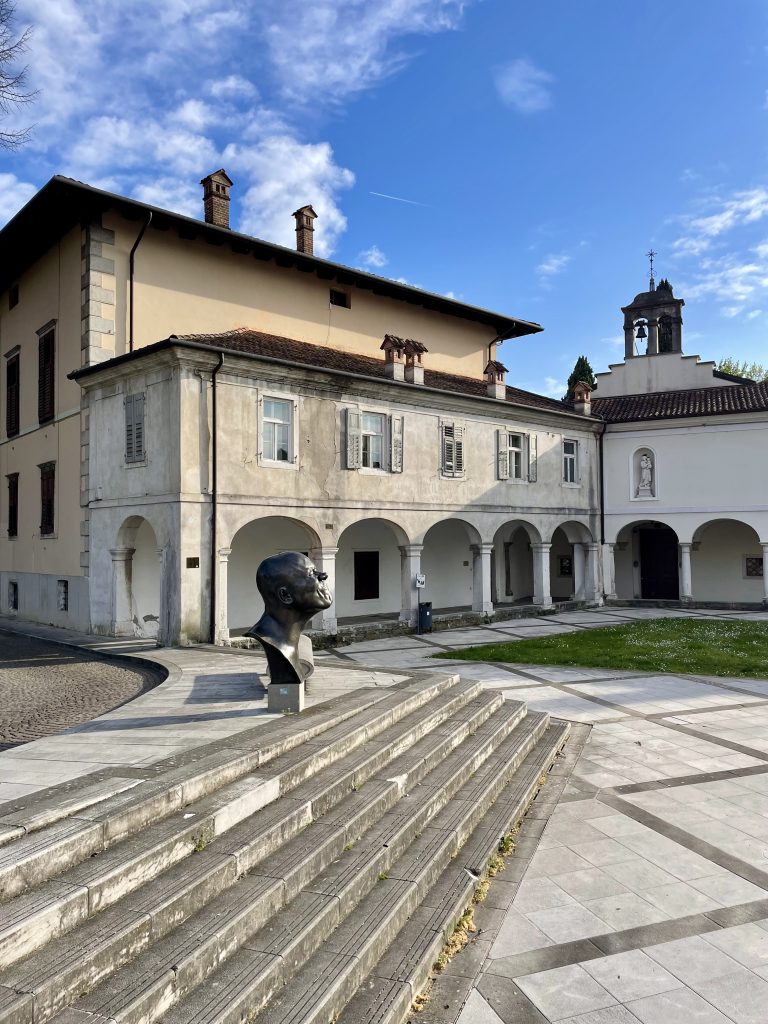
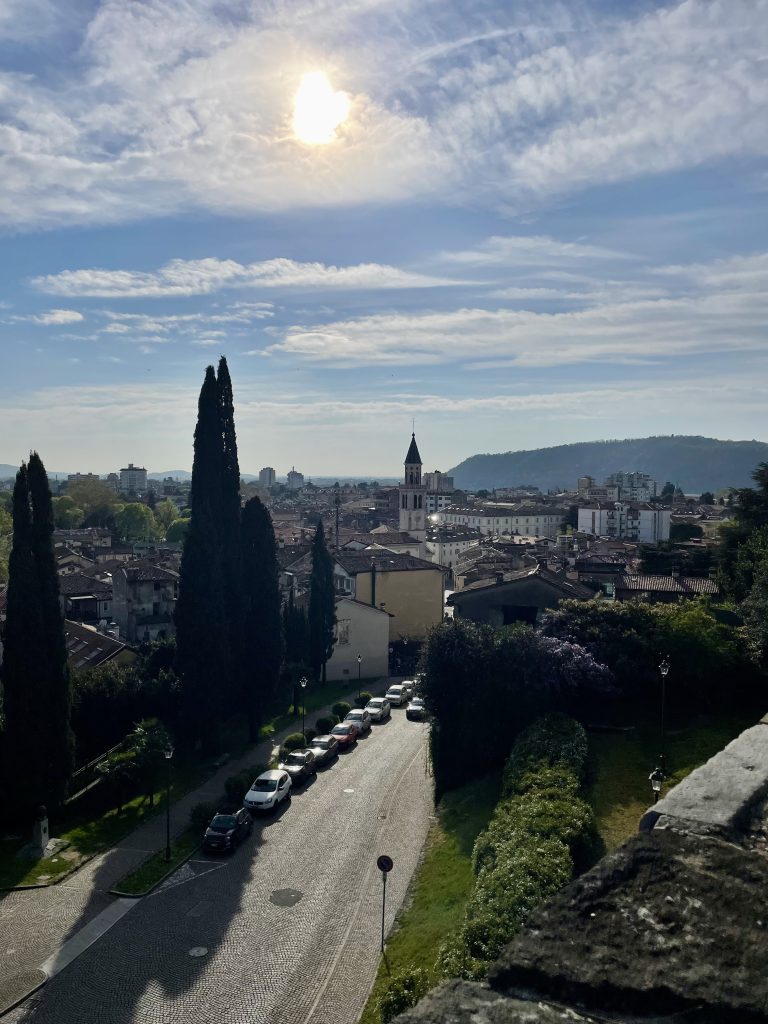
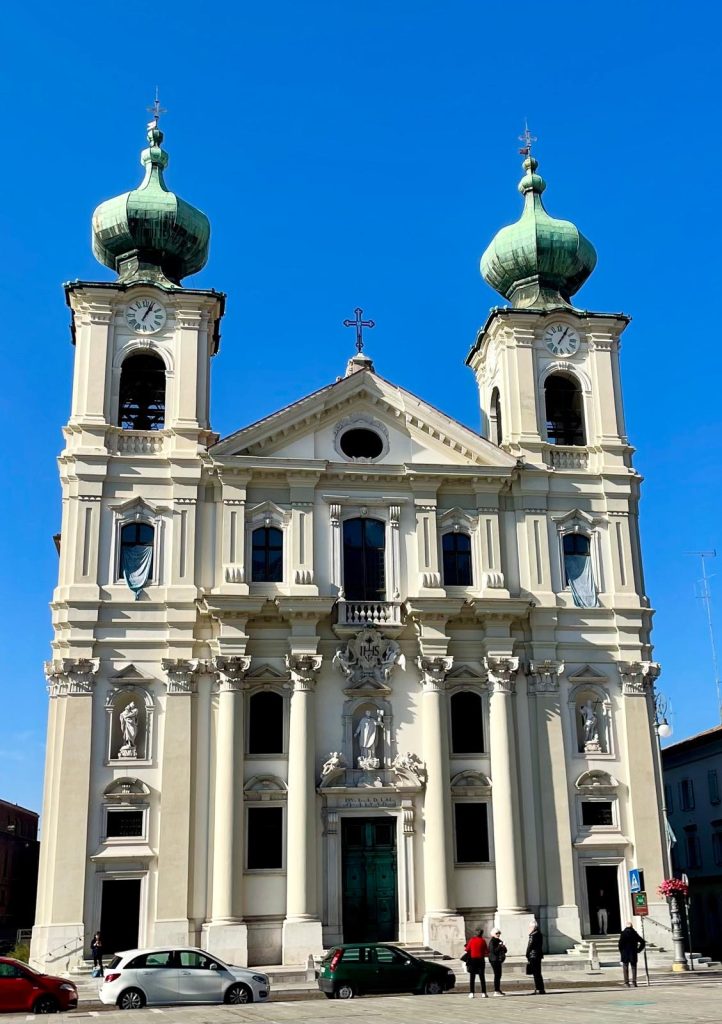
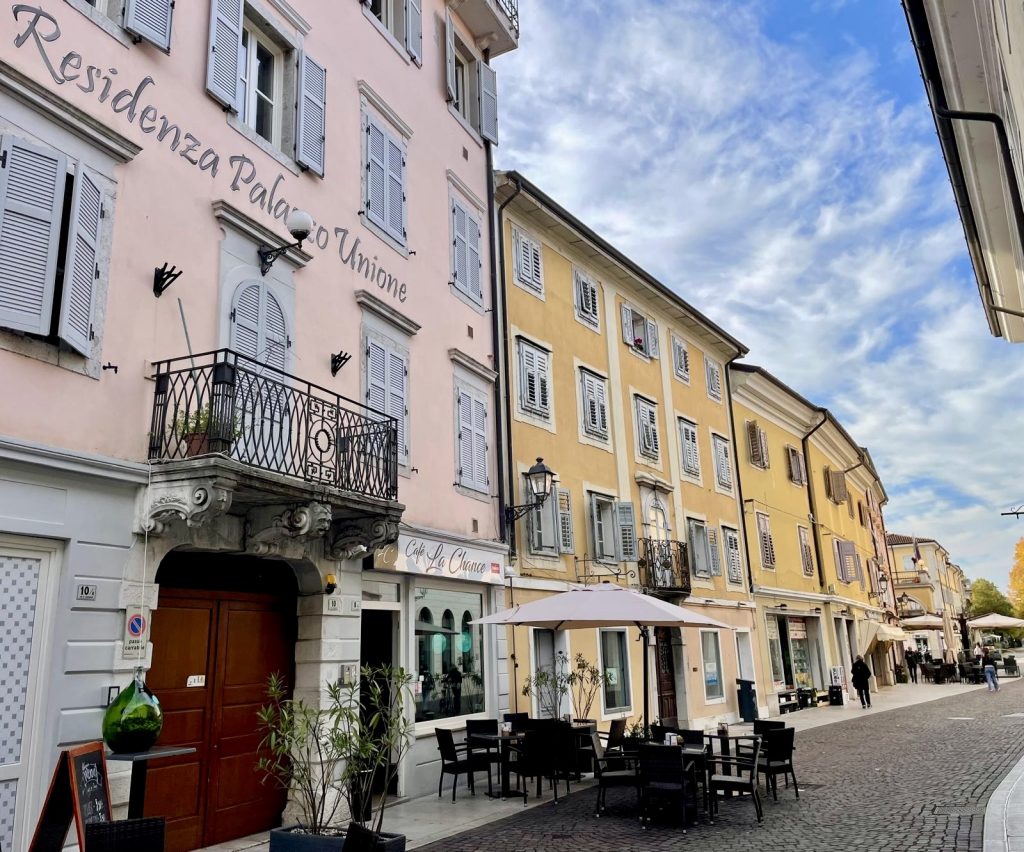
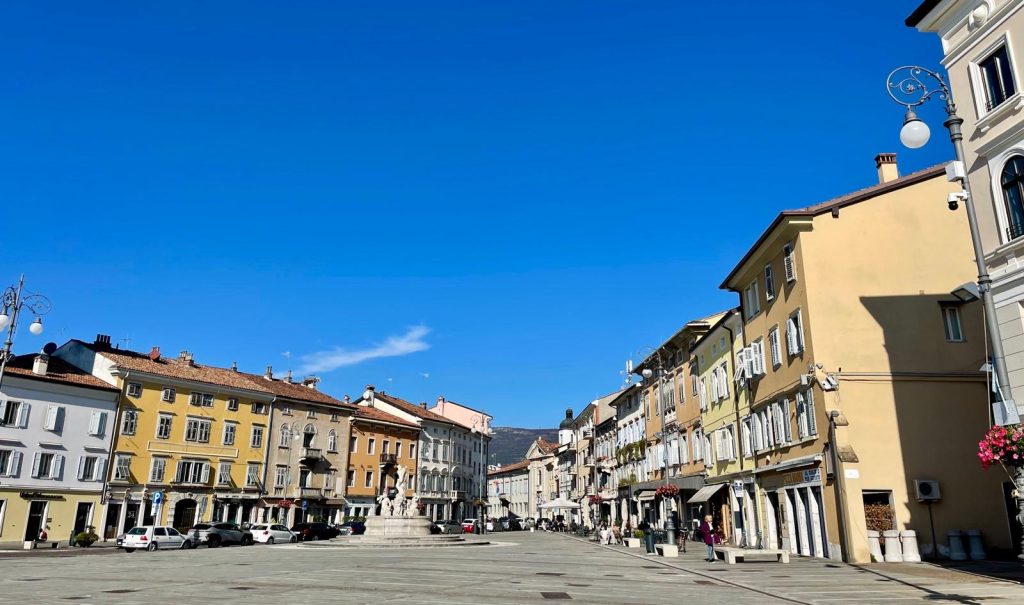
One step further and you are in Italy. Gorizia immediately feels different - an espresso in a typical Italian bar, a castle on the hill, streets that don't seem to lead anywhere in particular. It is an ordinary Italian provincial town, and that is exactly what makes it attractive. No tourist crowds, no forced cosiness, but yes, here and there a nice shop or fine terrace.
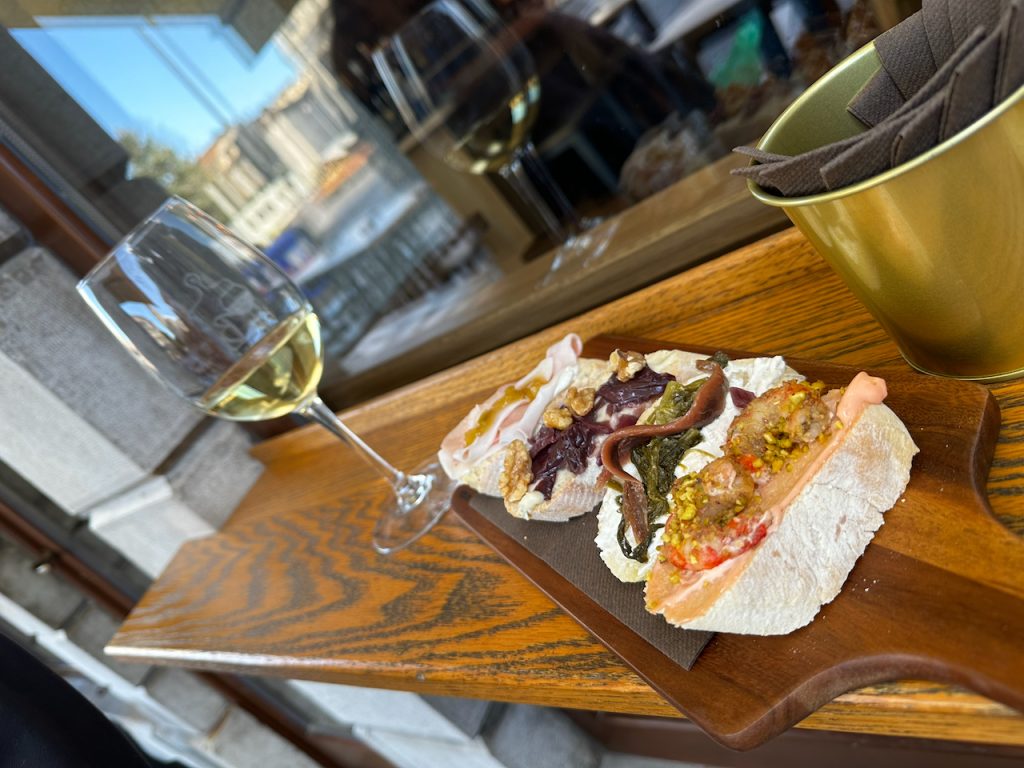
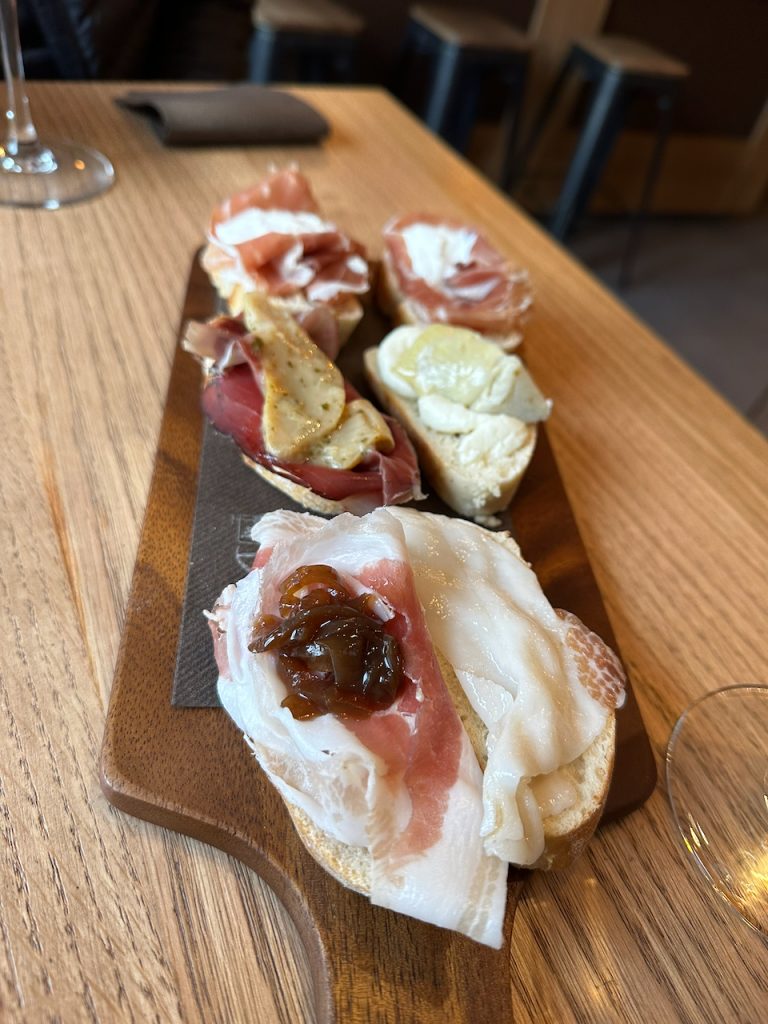
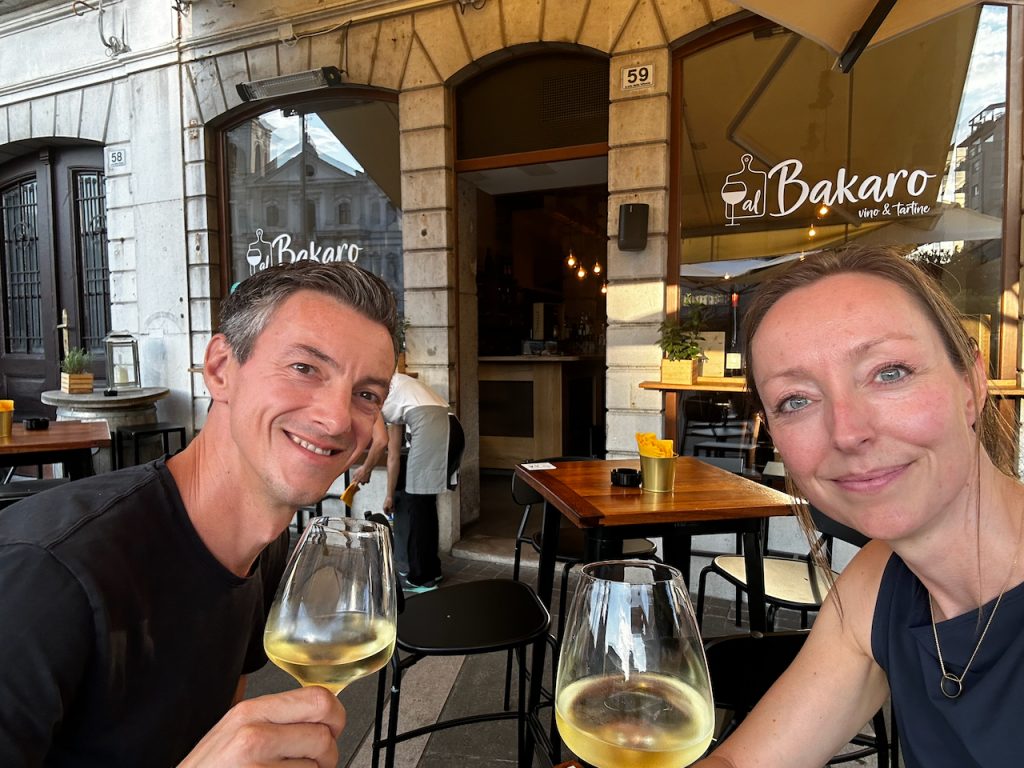
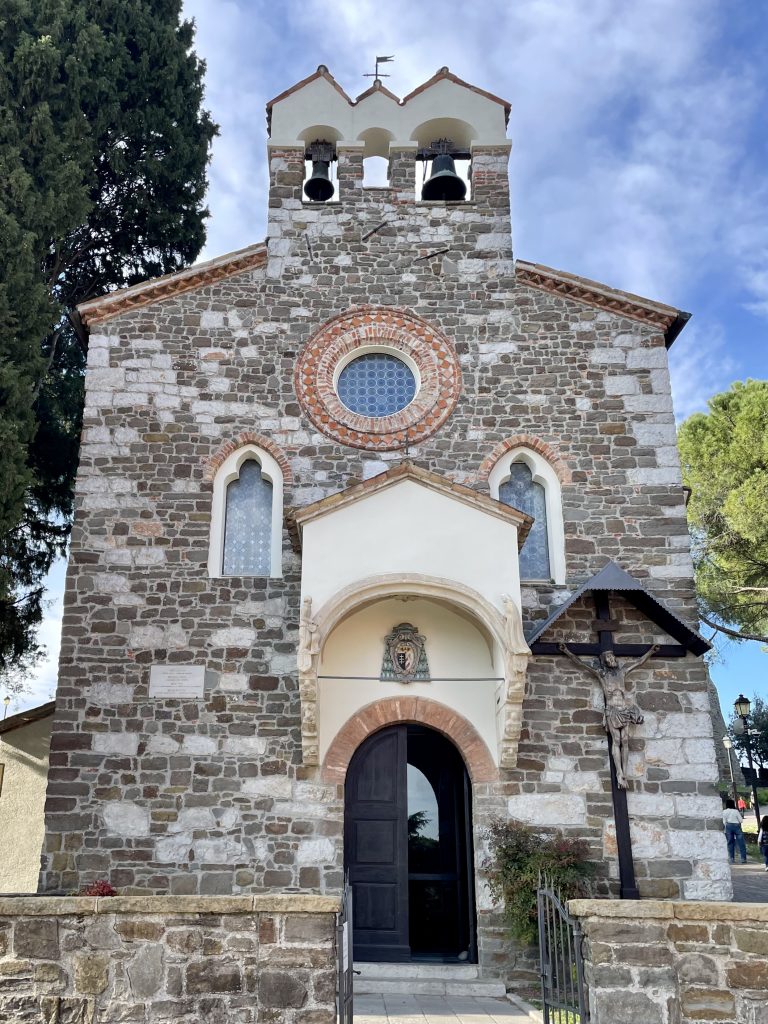
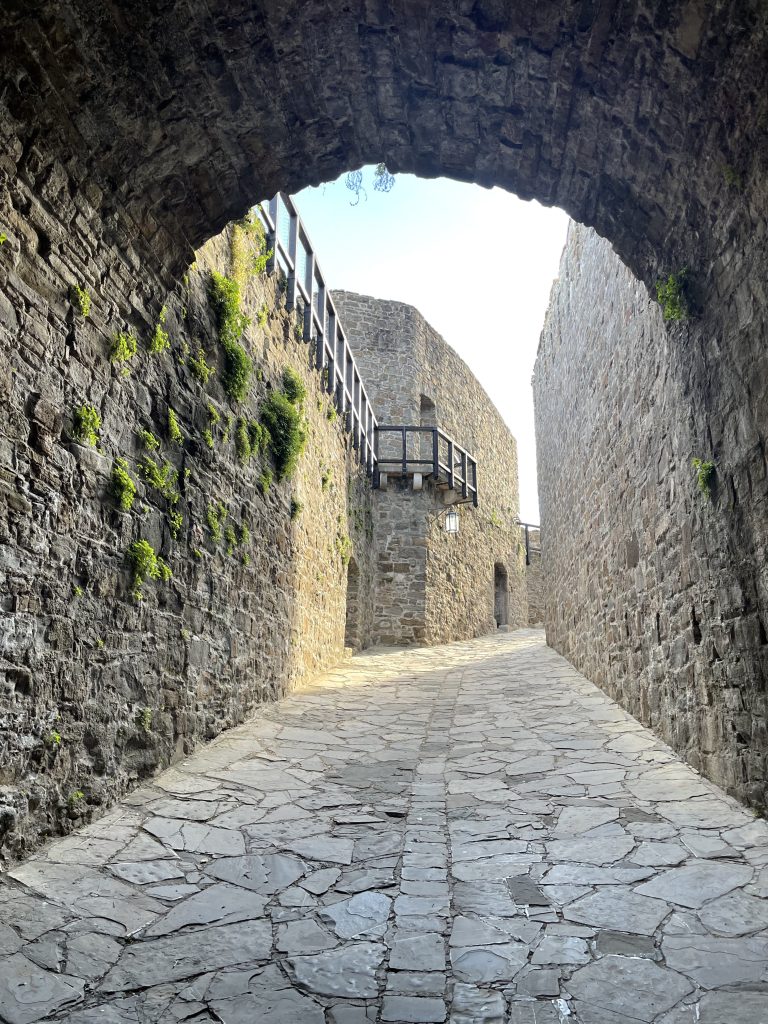
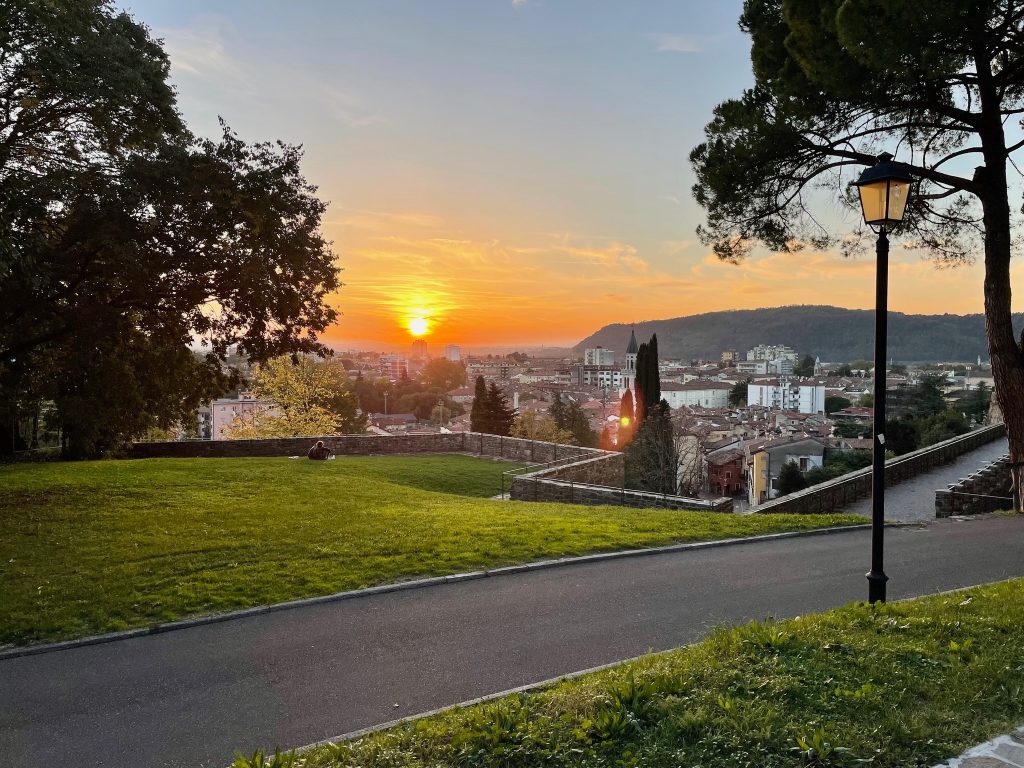
Take your time for a walk up to the castle. The views of both towns and the hills behind them are well worth it and at the castle you will find several wine bars where the sunset is beautiful!
Capital of Culture 2025
Nova Gorica and Gorizia were European Capitals of Culture in 2025. This was the first time that the title was awarded to two cities simultaneously and across a national border. Most of the events are over, but the atmosphere left by that year still lingers. New exhibitions, renovated locations, and events and festivals throughout the year. Check the website of the city for events.
Good to know
- Nova Gorica is a 15-minute drive from the Vipava Valley. Enough to see for half a day. For example, a morning on the Slovenian side, lunch in Gorizia, return in the afternoon. Or combine it with museum Grad Kromberk, Aquileia Or Cividale del Friuli.
- Don't expect any big sights. Just walk, look, have a drink, eat something... that's actually enough.
- The castle in Gorizia is hard to miss, but here find.
- From the train station in Gorizia, you can easily catch a train to Trieste, Venice, Treviso or Udine.
- From the train station in Nova Gorica, you can take a beautiful train trip to Triglav National park, Lake Bled or Lake Bohinj.